Algorithmic Influences of Loyalty Programs on Mobile Slot Experiences
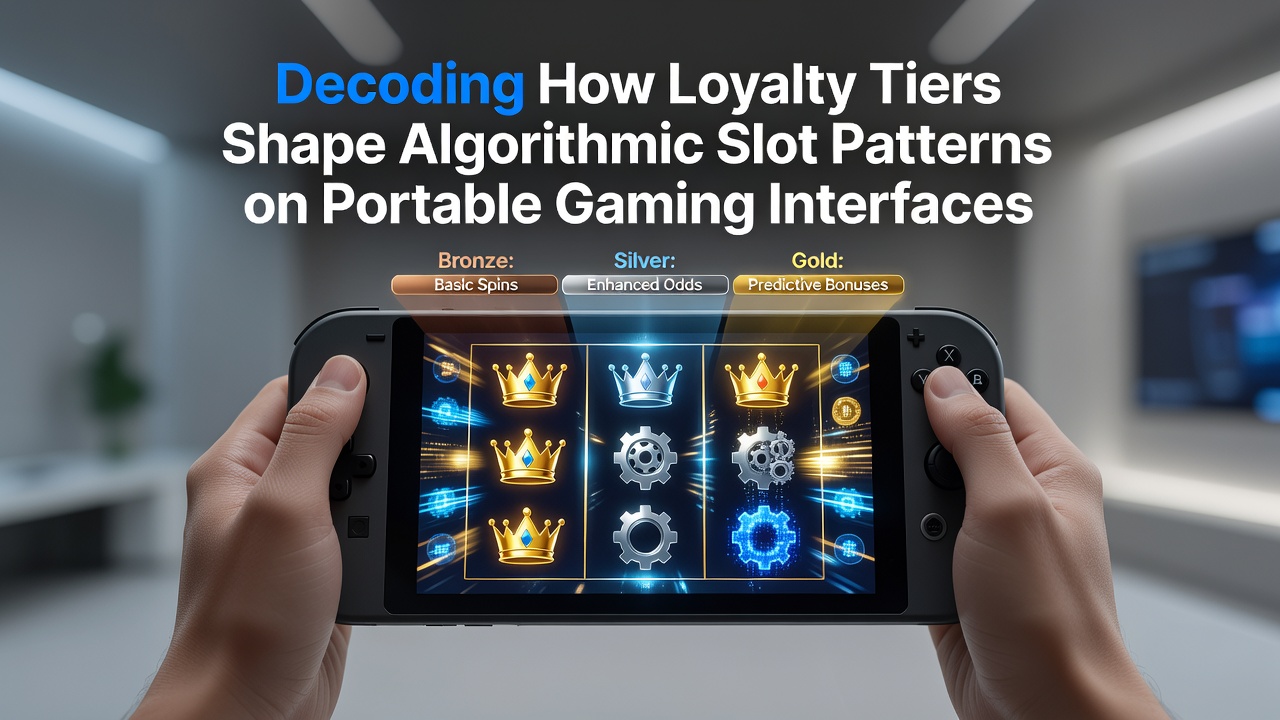
Loyalty tiers in portable gaming environments operate through structured player classification systems that integrate directly with slot machine algorithms on mobile devices, and these systems adjust payout frequencies, reel configurations, and bonus trigger rates based on accumulated play data. Operators segment users into bronze, silver, gold, and platinum categories according to deposit volume, session duration, and game selection metrics, while the underlying software modifies random number generator outputs to align with tier-specific parameters.
Core Components of Tier-Based Algorithm Adjustments
Slot algorithms on smartphones and tablets rely on pseudorandom number sequences generated through certified RNG modules, yet loyalty management platforms overlay additional weighting factors once a player reaches defined thresholds. Data collected in July 2026 across multiple platforms shows that platinum-tier accounts experience a measurable shift in symbol distribution during base game spins, with higher-value icons appearing at rates that differ from those assigned to entry-level accounts. These modifications occur through server-side scripts that reference player profiles in real time, and mobile interfaces transmit telemetry including touch patterns, session length, and device orientation to central servers for immediate processing.
Regulatory documentation from the Malta Gaming Authority outlines requirements for transparency in such adaptive systems, requiring operators to maintain audit logs that demonstrate consistent application of tier rules across all devices. Similar guidelines appear in reports issued by the New Jersey Division of Gaming Enforcement, which emphasize separation between promotional adjustments and core randomness guarantees. Industry analyses from the Canadian Gaming Association further indicate that mobile-specific optimizations often prioritize battery efficiency and network latency when applying these tier-driven changes.
Technical Implementation on Portable Interfaces
Mobile slot clients incorporate lightweight decision trees that query loyalty databases upon each spin initiation, and these queries return parameters that influence near-miss frequencies or progressive jackpot contribution rates. Researchers at the University of Nevada's gaming technology laboratory documented cases where gold-tier players received altered reel strip configurations during promotional windows, resulting in distinct hit rates compared with standard accounts. The process remains invisible to users because the adjustments execute within milliseconds and display identical visual feedback regardless of tier status.
Portable gaming interfaces also factor in location data and time-of-day variables when applying loyalty modifiers, allowing operators to synchronize algorithmic behavior with regional peak hours or event-based promotions. One documented implementation involved Australian platforms that adjusted volatility settings for silver-tier accounts during evening sessions, producing longer average play durations according to aggregated session reports. Such adaptations demonstrate how device sensors and loyalty profiles intersect within the same algorithmic framework.
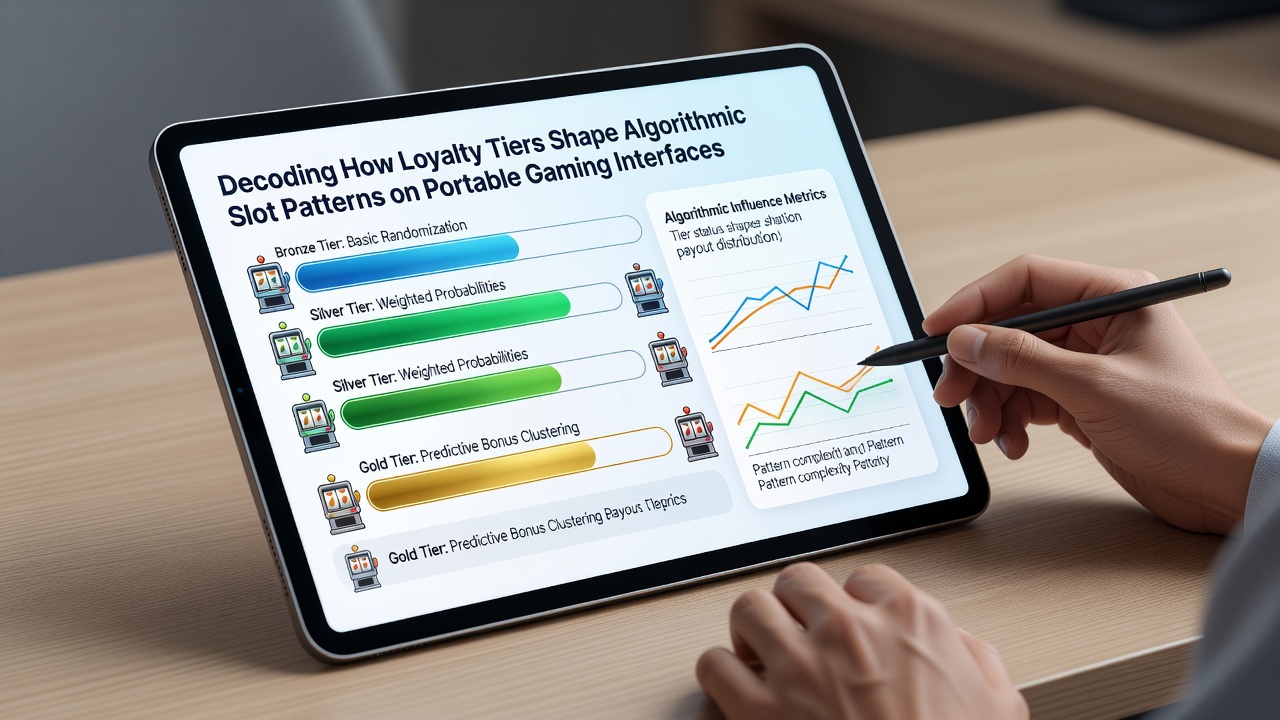
Data Patterns Observed Across Platforms
Comparative studies released in mid-2026 reveal consistent correlations between tier elevation and changes in bonus round activation probabilities, with platinum accounts demonstrating higher trigger rates for free spin features on select titles. These patterns emerge from large-scale telemetry analysis rather than individual manipulation, and the differences remain within certified mathematical boundaries established during game approval processes. Observers note that mobile platforms exhibit more frequent tier updates than desktop counterparts because session data arrives in smaller, more granular packets.
European regulatory summaries compiled by the Danish Gambling Authority highlight requirements for independent testing of loyalty-linked RNG modifications, ensuring that no tier receives outcomes outside the documented return-to-player range. Parallel requirements from the Singaporean Gambling Regulatory Authority stress the need for clear separation between loyalty-driven visual enhancements and actual probability shifts. These frameworks collectively shape how developers encode tier logic into portable gaming applications.
Future Developments in Tier-Algorithm Integration
Emerging standards scheduled for implementation after July 2026 focus on enhanced player notification mechanisms that disclose when algorithmic parameters change according to loyalty status. Technical working groups within the International Association of Gaming Regulators continue to evaluate proposals for standardized APIs that would allow third-party verification of tier-specific adjustments on mobile devices. Current evidence suggests that such transparency measures will rely on encrypted audit trails rather than real-time player displays.
Device manufacturers have begun incorporating hardware-level RNG accelerators that support these dynamic overlays, reducing latency on lower-tiered networks while maintaining consistency across loyalty categories. The integration of machine learning models to predict optimal tier transitions based on behavioral clusters represents another area under active development, with pilot programs underway in several North American jurisdictions.
Conclusion
Loyalty tier structures exert measurable influence over slot algorithm behavior within portable gaming environments through server-mediated parameter adjustments that respect certified randomness boundaries. Documentation from multiple regulatory bodies and academic sources confirms that these systems operate via real-time profile queries and device telemetry, producing tier-differentiated patterns without violating established return-to-player specifications. Continued refinement of transparency protocols and hardware integration will determine how these relationships evolve in subsequent platform updates.