Algorithmic Influences Reshaping Loyalty Programs in Mobile Casino Environments
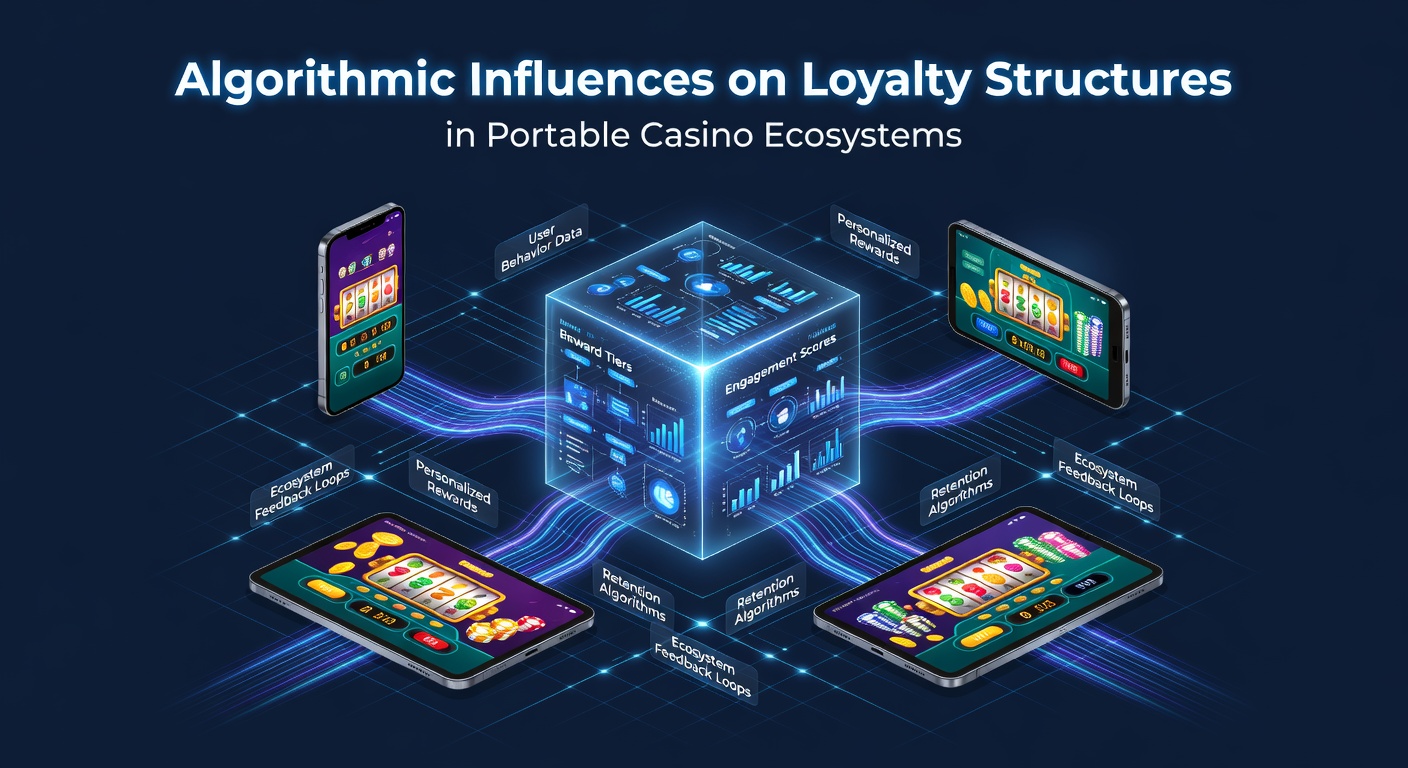
Portable casino ecosystems operate through sophisticated algorithmic frameworks that continuously adjust loyalty structures based on real-time player data, and these systems have gained particular attention as mobile platforms expanded their reach into new markets during May 2026. Researchers at various institutions note that algorithms process thousands of variables including session duration, wager patterns, game preferences, and even device interaction metrics to generate individualized reward tiers that evolve without manual intervention.
Data Collection Mechanisms Driving Personalization
Algorithms in these environments aggregate behavioral signals from user sessions to construct detailed profiles, and this process allows platforms to modify loyalty points accrual rates or unlock tiered benefits at moments when engagement metrics indicate potential decline. Studies from the New Jersey Division of Gaming Enforcement highlight how such systems track cross-game transitions and deposit frequencies, enabling operators to deploy targeted incentives that maintain consistent activity levels across diverse player segments.
Those who've examined these platforms observe that the underlying models often incorporate machine learning techniques trained on historical datasets spanning multiple jurisdictions, which means reward offers can shift rapidly when external factors like regional economic indicators or seasonal trends alter baseline behaviors. Data shows that platforms using these methods report measurable improvements in retention metrics compared to static loyalty programs that rely on fixed point thresholds.
Dynamic Reward Adjustment and Predictive Modeling
Predictive algorithms forecast churn risk by analyzing sequences of actions such as reduced login intervals or shifts toward lower-stakes games, and they respond by recalibrating loyalty multipliers or introducing limited-time escalators that encourage renewed commitment. Observers note that this approach creates fluid structures where a player's status within the ecosystem can improve or stabilize based on algorithmic projections rather than predetermined milestones alone.

One study revealed that integration of reinforcement learning components allows loyalty frameworks to test multiple incentive combinations simultaneously across user cohorts, with successful variants scaling automatically while underperforming ones recede into the background. This iterative process operates continuously, which means loyalty structures remain responsive to emerging patterns without requiring periodic overhauls by human teams.
Regulatory Considerations Across Regions
Regulatory bodies in different areas have begun examining how algorithmic loyalty mechanisms intersect with responsible gaming standards, and the Australian Institute of Criminology has published analyses showing correlations between personalized reward timing and session length variations. These reports emphasize transparency requirements that compel operators to disclose the general parameters influencing reward distribution while protecting proprietary model details.
Platforms operating across multiple territories must therefore calibrate their algorithms to satisfy divergent compliance frameworks, and this often results in regionally differentiated loyalty pathways that still draw from unified core data streams. Evidence suggests that such adaptations help maintain operational consistency even as local rules evolve, particularly when new reporting obligations emerge around automated decision-making processes.
Technical Architecture Supporting Ecosystem Integration
Backend architectures supporting these loyalty systems typically combine real-time streaming analytics with batch processing pipelines, and this dual structure allows immediate reward notifications alongside deeper periodic reviews that refine long-term player value calculations. Industry organizations such as the International Association of Gaming Advisors have documented how API connections between mobile interfaces and central algorithmic engines facilitate seamless updates to loyalty balances during live play sessions.
Developers incorporate safeguards that prevent abrupt structural changes from disrupting user experience, which means algorithmic interventions often manifest through gradual escalations rather than sudden overhauls. Those monitoring platform performance indicate that careful calibration of these transition speeds contributes to higher acceptance rates of newly presented loyalty benefits.
Conclusion
Algorithmic influences continue to redefine how loyalty structures function within portable casino ecosystems by replacing rigid hierarchies with responsive, data-driven frameworks that adapt to individual trajectories. As mobile platforms maintain their central role in the broader gambling landscape, the interplay between predictive modeling and regulatory oversight shapes the next phase of development, with systems becoming increasingly capable of balancing engagement objectives against compliance demands across varied geographic contexts.