Digital Wallets Reshaping Reward Tiers in Portable Game Libraries
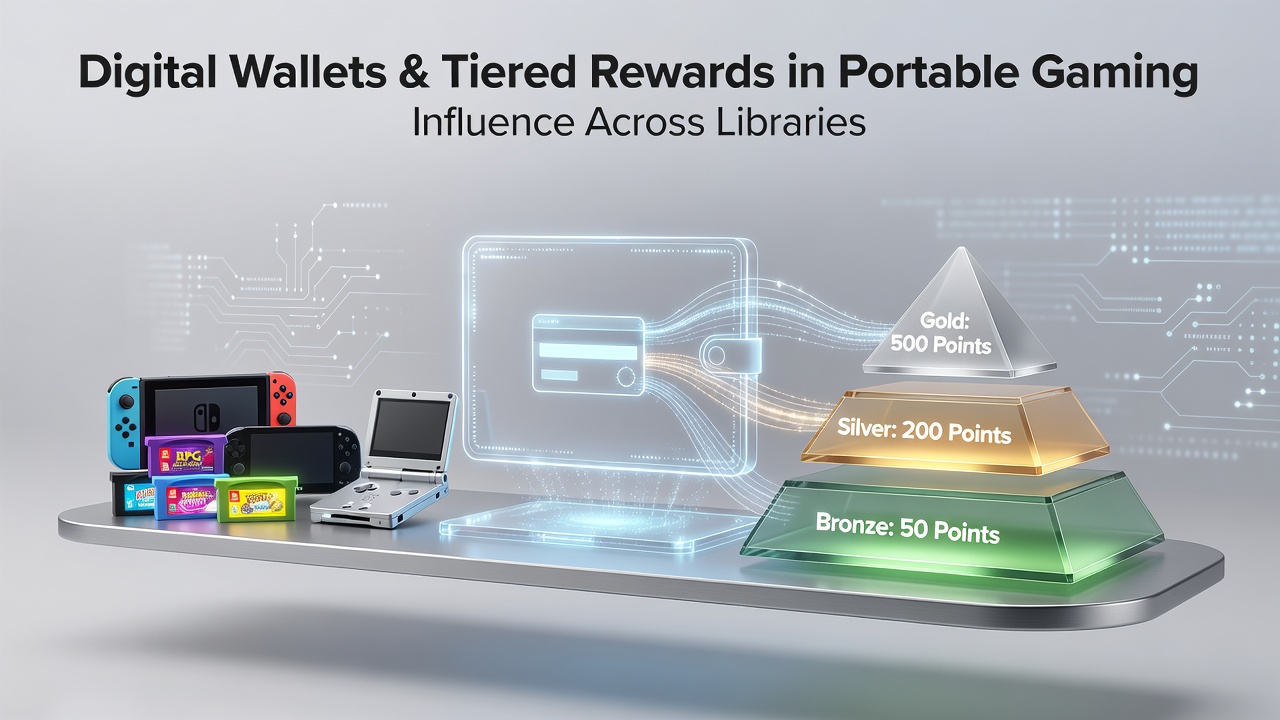
Portable game libraries on smartphones and tablets have seen payment methods evolve rapidly since the widespread adoption of digital wallets, and those changes directly affect how developers structure tiered reward milestones; seamless transactions through services like Apple Pay or Google Wallet allow players to progress through loyalty levels with fewer steps while platforms track spending patterns in real time.
Research from the Entertainment Software Association shows that by July 2026 more than 68 percent of in-app purchases in top-grossing mobile titles occurred via digital wallets rather than traditional card entry, which shortened checkout times and encouraged smaller, repeated transactions that accumulate toward higher reward tiers.
Mechanics of Tiered Rewards in Mobile Ecosystems
Game libraries organize rewards into ascending milestones where each level unlocks cosmetics, currency bonuses or exclusive content, and digital wallets feed directly into this system by providing instant confirmation that triggers automatic progression tracking; developers integrate APIs from payment providers so that every transaction logs against a player's account without manual input.
Observers note that this integration creates tighter feedback loops because the moment a purchase clears through a digital wallet the game server can update tier status immediately, whereas older card processes sometimes introduced delays that left players uncertain about their standing.
Data Tracking and Personalization Effects
Digital wallets transmit metadata such as device type, location and frequency of use, which studios combine with in-game behavior to adjust milestone requirements dynamically; a player who consistently tops up via wallet on weekday evenings might receive personalized offers that accelerate progress through mid-tier rewards.
Figures from the Interactive Games and Entertainment Association reveal that titles employing wallet-linked analytics increased average session length by 14 percent in 2025, largely because players stayed engaged while waiting for the next automated reward unlock.
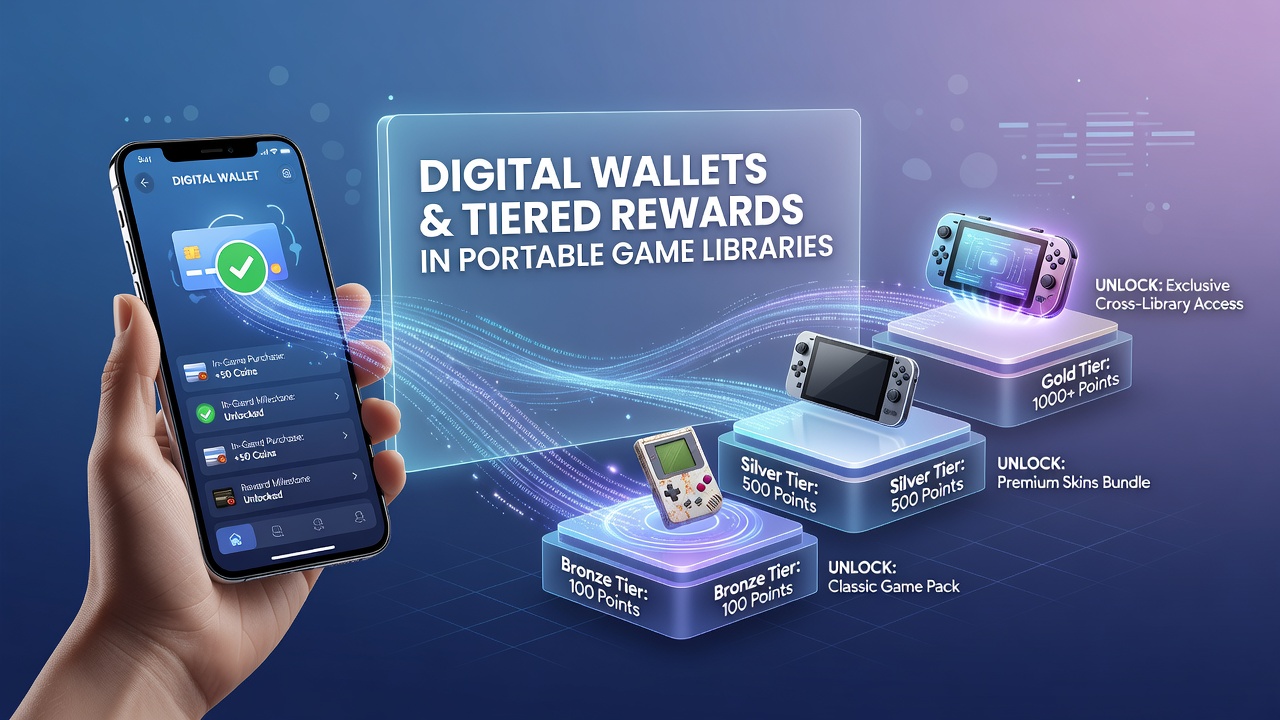
Those who've examined cross-platform libraries point out that wallet data also helps synchronize rewards across multiple devices, so a milestone reached on a tablet registers instantly on a linked phone without additional verification steps.
Regional Regulatory Influences on Wallet Integration
Payment regulations differ by territory yet all affect how tiered systems operate; Canadian authorities require clear disclosure of wallet fees before any purchase counts toward milestones, while Australian consumer guidelines mandate that reward progress remains visible even when players switch between payment providers.
Industry reports compiled by the European Mobile Gaming Federation indicate that compliance adjustments in 2026 led several major libraries to standardize wallet APIs across the EU, reducing fragmentation that previously forced players to restart tier climbs when moving between regions.
Case Examples from Popular Libraries
One widely cited example involves a battle-pass structure in a free-to-play action title where digital wallet users who complete three monthly purchases automatically advance to the next reward bracket, bypassing the manual claim process required for card payments; this design choice emerged after internal data showed wallet transactions carried higher completion rates.
Another case from a simulation franchise demonstrated that linking rewards to recurring wallet subscriptions produced steadier revenue streams, allowing developers to expand the upper tiers with additional cosmetic layers that appealed to long-term subscribers.
Future Trajectory Through Mid-2026
Projections shared by academic researchers at the University of Melbourne's Games Lab suggest wallet penetration in portable libraries will exceed 80 percent by the end of 2026, prompting more studios to experiment with hybrid milestones that blend spending thresholds with skill-based achievements.
Because wallet providers continue refining security features such as biometric confirmation, transaction friction continues to decline and developers gain more reliable signals for calibrating reward difficulty across global audiences.
Conclusion
The interplay between digital wallets and tiered reward milestones continues to reshape portable game libraries through faster processing, richer data flows and region-specific compliance adjustments; as July 2026 data confirms ongoing growth in wallet usage, developers maintain focus on systems that convert seamless payments into visible player progression without introducing new barriers. External sources such as the Entertainment Software Association and the Interactive Games and Entertainment Association supply ongoing metrics that help track these shifts across markets.