Encryption Protocols Powering Secure Transactions Across Remote Gaming Networks
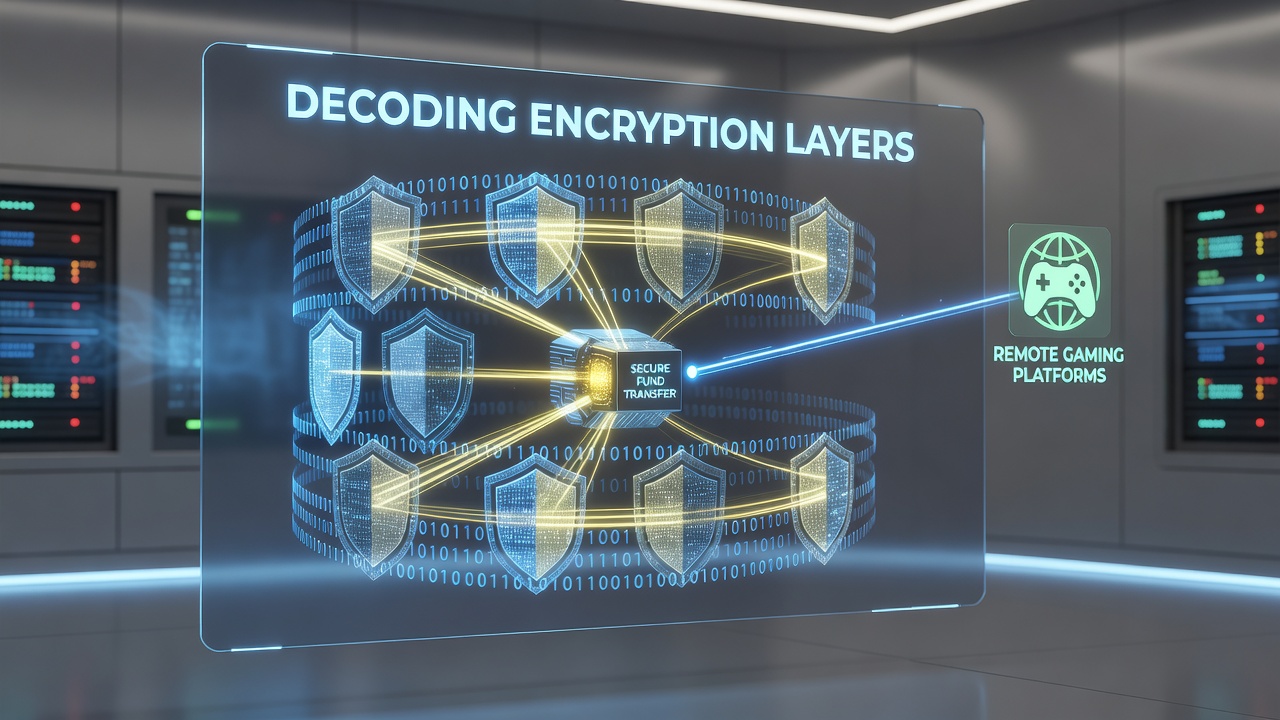
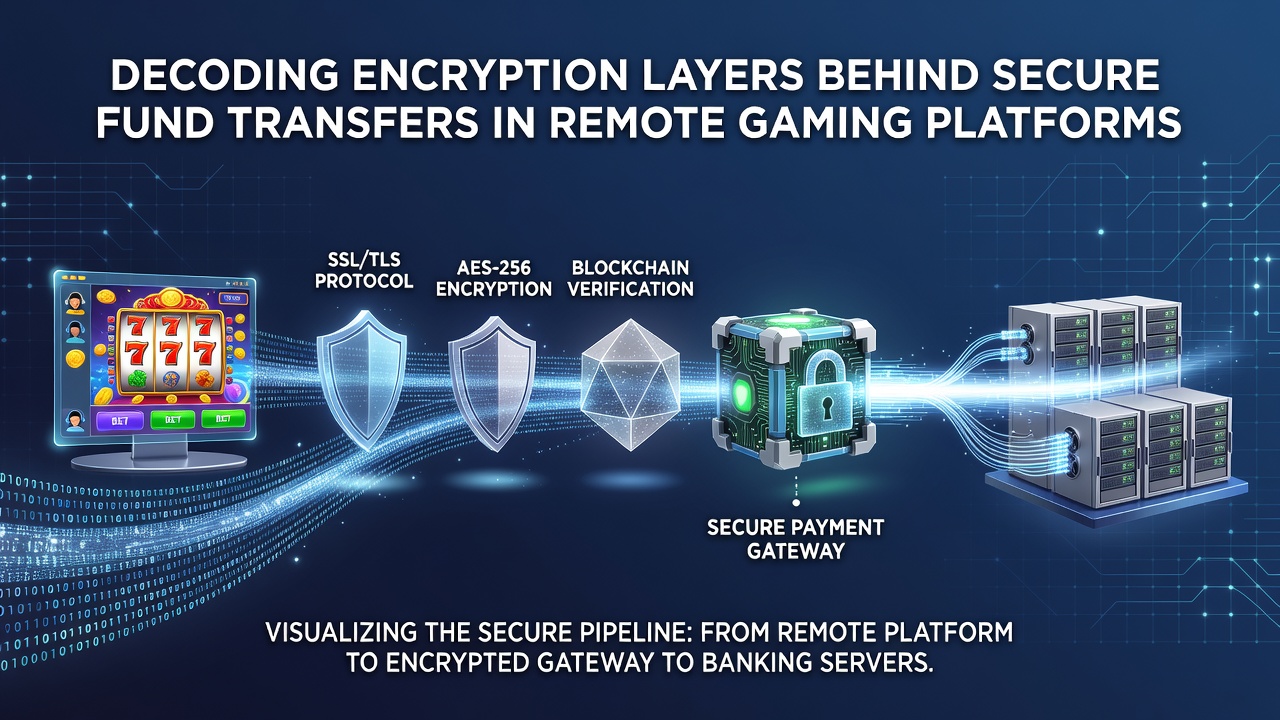
Remote gaming platforms rely on layered encryption systems to protect fund transfers from interception and tampering, and these mechanisms combine symmetric and asymmetric algorithms with transport layer security protocols. Data shows that AES-256 encryption serves as the core for bulk data protection while RSA or ECC handles key exchanges, creating multiple barriers that must align during each transaction. Researchers at various institutions note that this combination prevents single-point failures because an attacker who compromises one layer still faces additional cryptographic hurdles.
Core Components of Multi-Layer Encryption
Secure fund transfers begin with session establishment through TLS 1.3, which negotiates cipher suites and verifies server certificates before any financial data moves across networks. Once the channel opens, platforms apply AES encryption to transaction payloads, and separate integrity checks using HMAC ensure that packets remain unaltered during transit. Observers note that key management systems rotate session keys frequently, often every few minutes, to limit exposure windows even if a key leaks during a breach attempt.
Hardware security modules store private keys in isolated environments, and access logs track every cryptographic operation performed by platform operators. Studies from academic sources indicate that platforms using HSMs experience significantly fewer successful key extraction attempts compared with software-only storage methods. Those who've examined breach reports find that proper key rotation and HSM deployment correlate with faster incident recovery times.
Integration with Payment Standards and Regulatory Frameworks
Platforms must meet PCI DSS requirements for card data handling, which mandates encryption at rest and in transit plus regular audits of cryptographic implementations. In regions outside the UK, bodies such as the Malta Gaming Authority and the New Jersey Division of Gaming Enforcement enforce additional rules that reference NIST cryptographic standards. According to NIST guidance on cryptographic mechanisms, approved algorithms must undergo periodic review as computing power advances, and July 2026 marks the target date for broader migration toward post-quantum resistant schemes in several jurisdictions.
Fund transfers also incorporate tokenization, where actual card numbers are replaced with unique tokens that hold no value if intercepted. This approach reduces the scope of PCI audits because tokens travel alongside encrypted payloads but reveal nothing about the original payment instrument. Data from industry reports reveals that tokenization adoption has grown steadily since 2023, particularly among platforms processing high volumes of cross-border transactions.
Emerging Challenges and Protocol Evolution
Quantum computing developments pose long-term risks to current RSA and ECC implementations, prompting research into lattice-based and hash-based signature schemes. One study published in 2025 examined migration timelines and found that platforms beginning hybrid classical-post-quantum deployments in 2026 will face fewer compatibility issues later. Experts have observed that early testing of these hybrids shows minimal performance overhead when implemented on modern server hardware.
Network latency remains a practical concern because additional encryption layers can introduce milliseconds of delay during peak traffic periods. Platform operators address this through hardware acceleration cards that offload cryptographic operations from general-purpose CPUs, and benchmarks indicate that such cards maintain sub-10-millisecond processing times even under heavy concurrent loads. Those monitoring live systems note that user complaints about transaction speed rarely correlate with encryption overhead once acceleration hardware is in place.
Operational Practices That Support Encryption Integrity
Regular penetration testing and red-team exercises simulate attacks against encryption endpoints, and findings feed directly into configuration updates. Logs from these exercises show that misconfigured cipher suites account for most identified weaknesses rather than flaws in the algorithms themselves. Platform teams therefore maintain strict allow-lists of approved cipher combinations and disable legacy options such as TLS 1.0 and 1.1 across all payment gateways.
Employee access controls limit who can view or modify encryption configurations, and multi-person approval workflows govern any changes to live key material. Records from regulatory audits demonstrate that platforms with these controls pass compliance checks more consistently than those relying on single-administrator processes. The reality is that human factors still represent the largest variable in maintaining cryptographic strength over time.
Conclusion
Encryption layers in remote gaming fund transfers combine established algorithms, hardware protections, and regulatory oversight to create resilient transaction environments. Continued evolution toward post-quantum standards, alongside hardware acceleration and strict operational controls, keeps these systems aligned with advancing threats. Data indicates that platforms maintaining current implementations and preparing for 2026 transitions will sustain secure operations while meeting both technical and compliance demands across multiple regions.