Engineering Loyalty Rewards: How Core Gaming Technologies Influence Free Spin Triggers in Mobile Casino Systems
Clara Krause · Sep 4, 2026
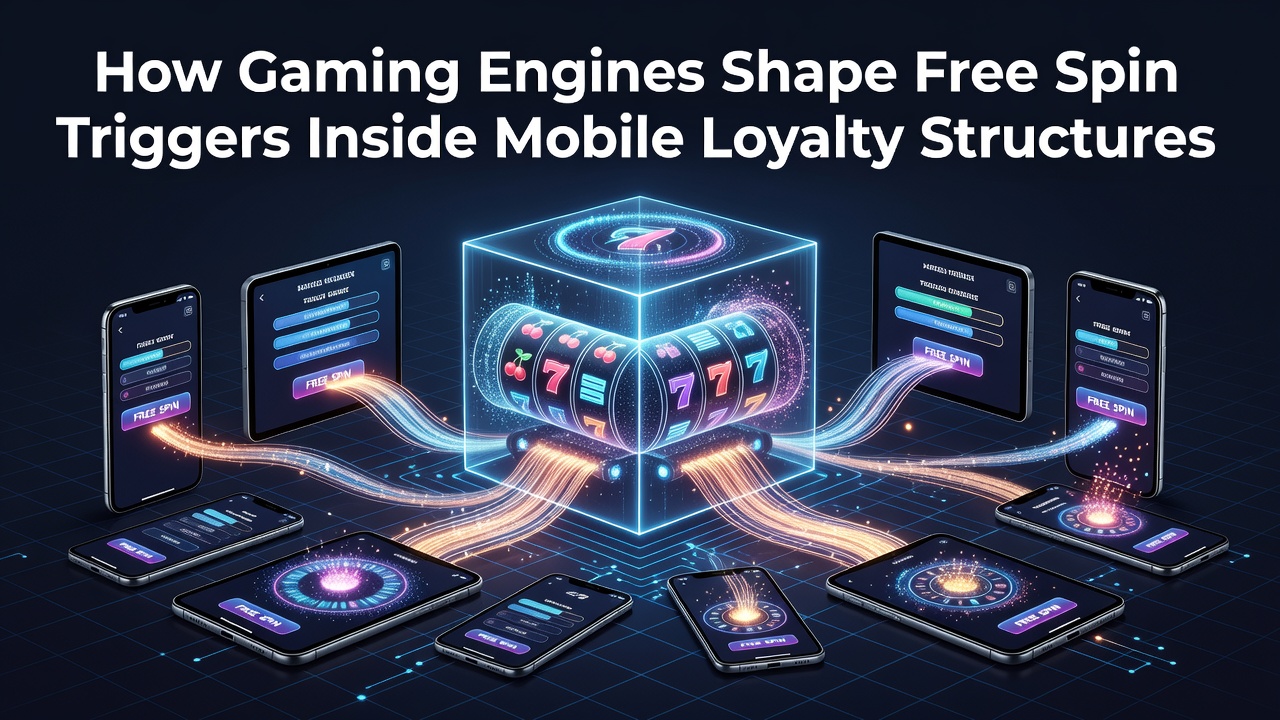
Engineering Loyalty Rewards: How Core Gaming Technologies Influence Free Spin Triggers in Mobile Casino Systems
Mobile platforms rely on specialized gaming engines to manage complex interactions between player activity and reward delivery, particularly when free spins form part of loyalty structures. These engines process real-time data from user sessions, calculate eligibility based on accumulated points or tier levels, and execute randomized outcomes without lag on handheld devices. Research from industry reports indicates that engines such as Unity and custom proprietary systems handle the bulk of these operations through modular scripts that separate visual rendering from backend probability calculations. Loyalty programs in mobile casino applications track metrics including session duration, deposit frequency, and wager volume before converting those values into free spin opportunities. Gaming engines integrate directly with server-side databases to verify loyalty status at the moment of trigger activation, ensuring that only qualifying accounts receive the feature. As of September 2026, developers continue to refine these connections to accommodate higher volumes of concurrent users across multiple regions.Core Mechanics of Engine-Driven Triggers
Free spin triggers operate through layered algorithms embedded within the game engine itself. The process begins when the engine receives a signal from the loyalty module confirming that a player meets predefined thresholds, then applies a random number generator to determine spin quantity and multiplier values. Observers note that this separation keeps the loyalty logic independent from core gameplay loops, which reduces conflicts during software updates.
Engines also manage device-specific constraints such as battery usage and network variability, pausing or queuing spin sequences when connectivity drops. Data from the Malta Gaming Authority highlights how regulated operators must log every engine-initiated trigger event for audit purposes, creating traceable records that link loyalty progression directly to individual game sessions.
Integration Patterns Across Platforms
Developers structure engine code so that loyalty rewards appear as modular extensions rather than hardcoded elements, allowing quick swaps between different bonus types without rebuilding entire titles. One study from the University of Nevada, Reno examined engine architectures and found that this modularity supports cross-platform deployment on both iOS and Android while maintaining consistent trigger timing across devices.
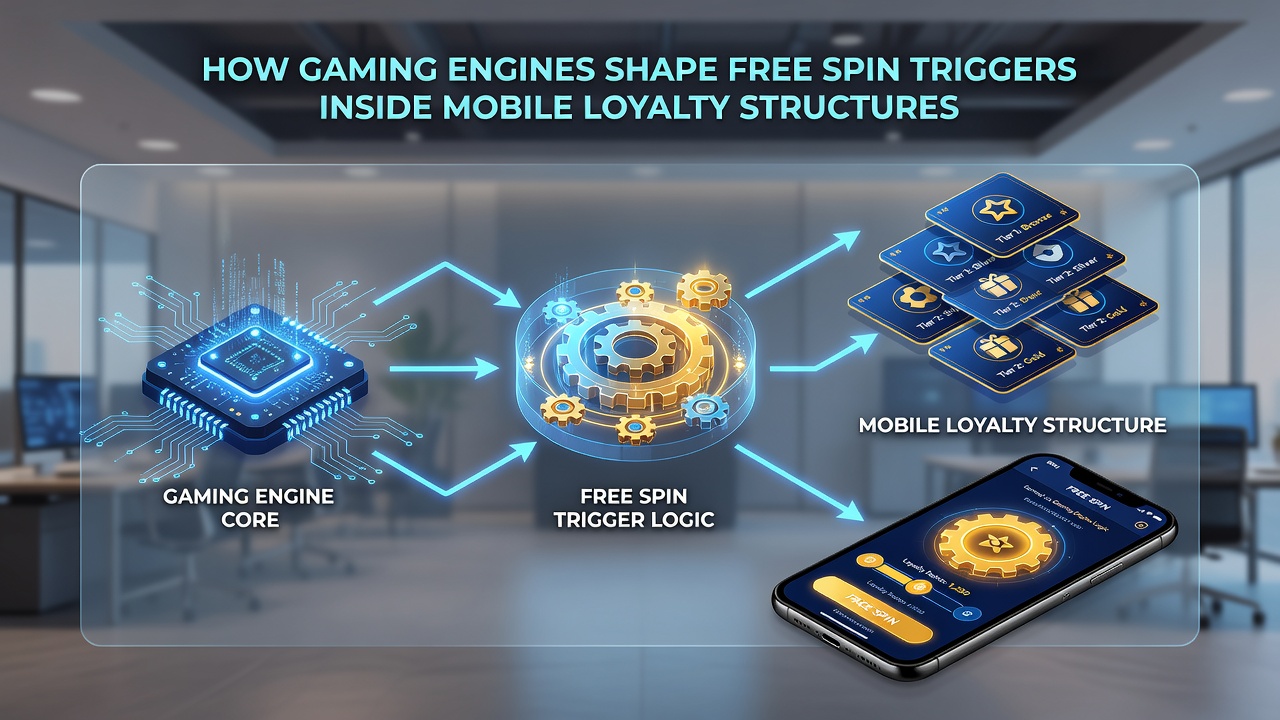
Additional layers include anti-fraud filters that engines apply before releasing spins, checking for patterns that might indicate manipulation attempts. These checks run alongside the primary random generation process, maintaining system integrity without visible delays to the end user. Industry associations report that such combined systems have become standard in markets where mobile loyalty programs represent a significant share of player retention strategies.
Future Adjustments in Engine Architecture
Updates scheduled through late 2026 focus on improving how engines handle dynamic loyalty tiers that adjust free spin parameters based on real-time player behavior. Developers test these changes in controlled environments to verify that trigger rates remain within licensed parameters while delivering smoother visual feedback during the spin sequence itself.
Conclusion
Engine technology continues to define the precise conditions under which mobile loyalty structures deliver free spins, connecting player data streams with randomized outcomes through standardized yet adaptable code frameworks. Regulatory documentation and academic analyses confirm that these systems prioritize auditability and performance across diverse hardware configurations, supporting ongoing evolution in how rewards reach users.