Exploring the Convergence of Payment Innovations and Live Dealer Software for VIP Rewards on Mobile Platforms
Anna Berger · Aug 15, 2026
Exploring the Convergence of Payment Innovations and Live Dealer Software for VIP Rewards on Mobile Platforms
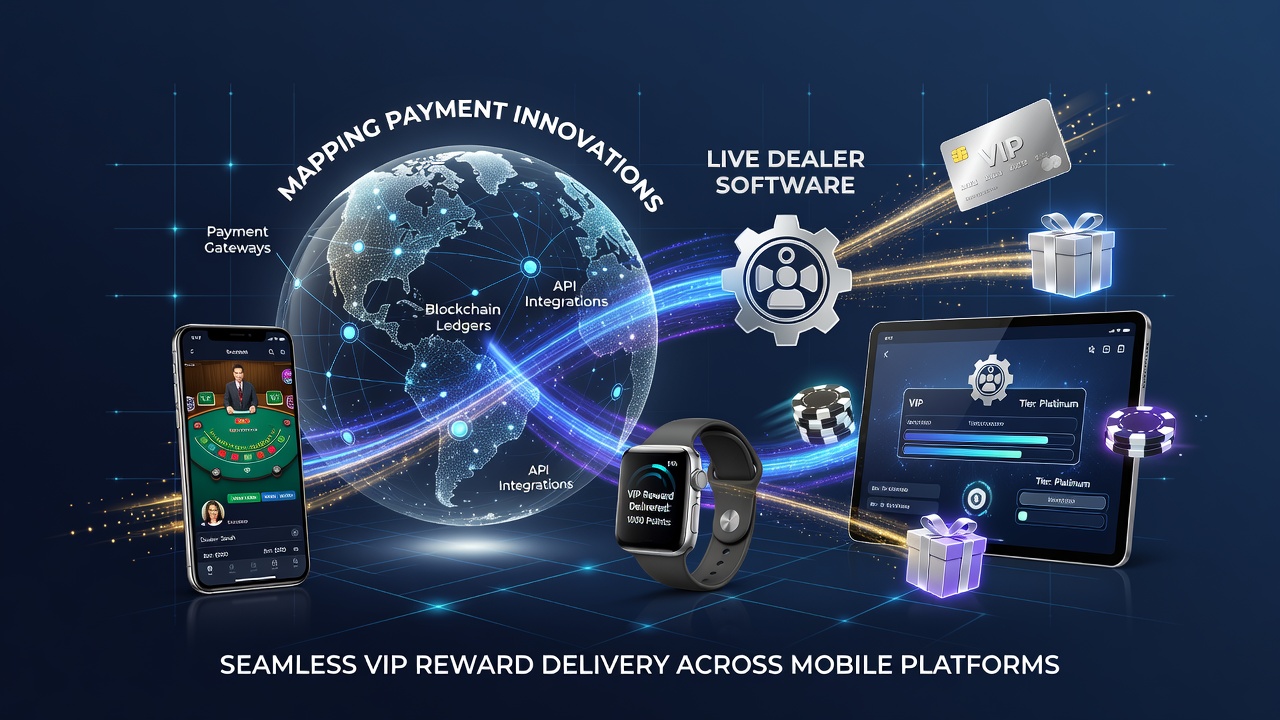
Payment innovations continue to reshape how operators deliver rewards in live dealer environments, particularly when those systems must function across multiple mobile platforms without interruption. Data from industry reports shows that seamless connections between payment gateways and live dealer software allow VIP programs to process rewards in real time, reducing delays that once affected player retention metrics. Observers note that these mappings rely on standardized APIs which connect transaction ledgers directly to game servers, enabling instant credit adjustments during active sessions.
Core Components of Integrated Payment and Live Dealer Systems
Modern architectures combine secure payment rails with live dealer interfaces through encrypted data streams that update player balances within milliseconds of each hand or spin. Researchers at various gaming technology conferences have documented how blockchain-based settlement layers now interface with traditional banking networks, creating hybrid models that support both fiat and digital currencies. Those who've studied these setups find that the live dealer software acts as the central node, pulling reward eligibility data from loyalty databases while simultaneously confirming payment authorizations before any game proceeds.
August 2026 marked a notable uptick in deployments where operators tested cross-platform reward triggers that activate during live sessions on both iOS and Android devices. Figures from regulatory filings indicate that such integrations reduced average reward delivery times by measurable margins compared with earlier batch-processing methods. Experts have observed that the key lies in mapping unique player identifiers across payment processors and live dealer platforms so that VIP tier upgrades trigger automatically without manual intervention.
Technical Mapping Strategies for Mobile Compatibility
Developers achieve mobile compatibility by building modular code layers that separate payment logic from game rendering engines, allowing updates to one system without disrupting the other. Studies show that this separation supports rapid scaling when operators introduce new reward structures or add regional payment methods demanded by different markets. What's interesting is how these mappings incorporate geolocation checks that verify device position before processing high-value VIP rewards, satisfying compliance requirements across jurisdictions.

One documented case involved an operator that synchronized its payment innovation stack with a live dealer provider to deliver tiered bonuses during ongoing blackjack rounds, and the result was a documented increase in session duration according to internal analytics shared at industry events. People who've examined these implementations note that fallback protocols become essential when network latency spikes, ensuring that reward credits queue correctly rather than vanish mid-transaction. The European Gaming and Betting Association has published summaries highlighting how standardized protocols help operators maintain consistency across devices while meeting technical standards set by various oversight bodies.
Security and Compliance Considerations in Reward Delivery
Security frameworks require end-to-end encryption for every data exchange between payment processors and live dealer software, preventing unauthorized alterations to VIP reward balances. Regulatory filings from the Alcohol and Gaming Commission of Ontario illustrate how operators must log each reward transaction with timestamps that align across both systems for audit purposes. Those mappings also incorporate multi-factor authentication steps that activate when VIP players request large reward redemptions on mobile devices, adding layers that protect against account takeovers without slowing routine play.
Additional safeguards include real-time anomaly detection algorithms that flag unusual reward patterns before they reach player accounts, allowing staff to review flagged items while the live dealer session continues uninterrupted. Data indicates that these checks integrate smoothly when payment innovations use tokenization to mask sensitive card details, passing only reference codes to the live dealer platform for verification.
Future Directions for Cross-Platform Implementations
Emerging trends point toward greater use of cloud-based orchestration tools that dynamically adjust reward delivery parameters based on player location, device type, and current game state. Academic papers presented at recent conferences suggest that machine learning models trained on historical transaction data can predict optimal moments for pushing VIP rewards during live dealer interactions, potentially increasing engagement rates. Observers note that continued refinement of these mappings will depend on cooperation between payment providers and live dealer software vendors to maintain compatibility as mobile operating systems evolve.
Conclusion
The mapping of payment innovations with live dealer software creates pathways for reliable VIP reward delivery that function consistently across mobile platforms. Evidence from multiple sources demonstrates that careful alignment of technical standards, security protocols, and compliance requirements supports these operations without introducing friction for players or operators. As deployments expand, continued documentation of performance metrics will help refine the processes that connect these systems effectively.