How Mobile Casino Interfaces Connect with Transaction Protections and Retention Incentives
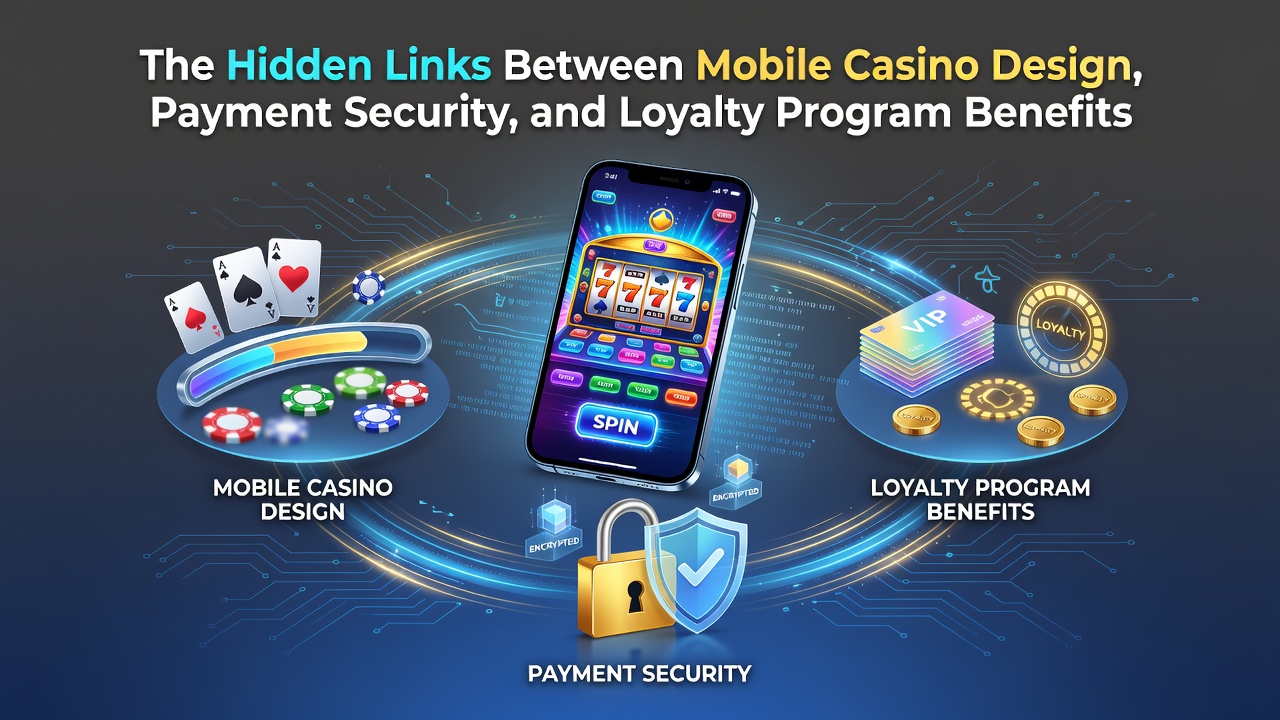
Design choices in mobile casino applications shape how players interact with payment systems and how loyalty rewards get distributed over time. Observers note that seamless navigation often incorporates security indicators directly into the interface while data from those interactions informs personalized reward structures.
Core Components of Mobile Casino Design
Interface layouts prioritize touch-friendly elements such as large buttons and swipe gestures that reduce friction during gameplay sessions and account management tasks. Research from industry reports indicates that intuitive menu structures guide users toward secure payment portals without requiring multiple redirects which helps maintain session continuity.
Color schemes and iconography frequently signal trust through standardized symbols for encryption and verified transactions. Those visual cues align with regulatory expectations across multiple jurisdictions and encourage repeated engagement that loyalty programs later track through accumulated activity metrics.
Payment Security Frameworks in Mobile Environments
Encryption protocols and tokenization methods protect financial data during deposits and withdrawals while remaining embedded within the same app architecture that handles game selection. Studies show that multi-factor authentication integrated at key touchpoints reduces unauthorized access without disrupting the flow from deposit to gameplay.
Compliance standards from bodies such as the Canadian Gaming Association establish baseline requirements for transaction monitoring that operators implement through backend systems linked to front-end design elements. Real-time fraud detection algorithms analyze patterns from user behavior and feed that information into loyalty calculations to adjust reward eligibility.
Loyalty Program Structures and Data Utilization
Reward systems accumulate points based on wagering volume and deposit frequency while incorporating security compliance as a factor in tier progression. Data streams from encrypted payment confirmations allow programs to verify legitimate activity and unlock benefits such as cashback percentages or exclusive game access.
Personalization algorithms draw from interface usage logs to recommend tailored promotions that align with individual spending habits. Figures from recent analyses reveal that players who encounter transparent security features during checkout demonstrate higher retention rates which loyalty tiers then reinforce through escalating perks.
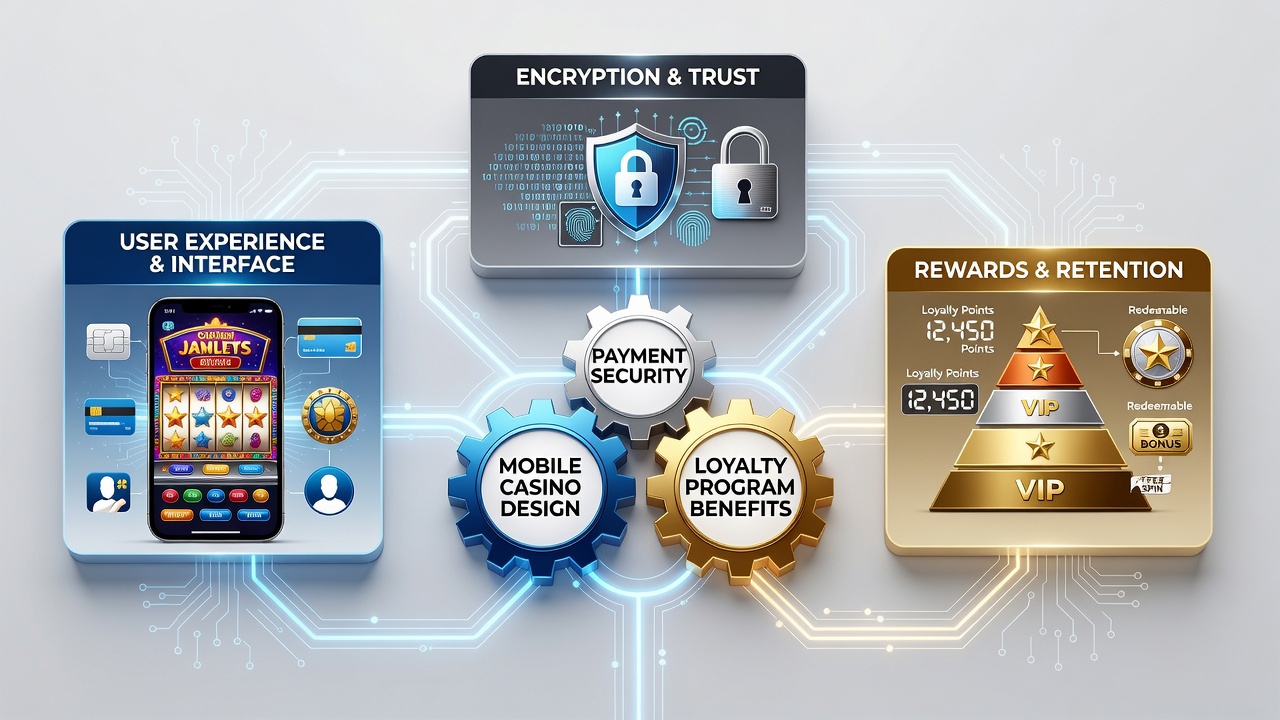
Interconnections Across the Three Areas
Design elements that embed security prompts within loyalty dashboards create unified experiences where players view both their current tier status and verified transaction history in one location. This integration reduces cognitive load and supports sustained participation that benefits all three components simultaneously.
Analytics platforms aggregate interface interaction data with payment verification records to refine loyalty algorithms. As of June 2026 reports from the Statista research portal highlight how operators in various regions use these combined datasets to predict churn and deploy targeted retention offers that maintain compliance standards.
Cross-functional development teams coordinate updates so that new design features undergo security audits before loyalty program adjustments take effect. Such coordination ensures that enhancements in one area support stability in the others rather than creating isolated improvements that fail to deliver holistic player value.
Conclusion
The relationships between mobile casino design payment security and loyalty benefits emerge through shared data flows and coordinated system architectures. Operators who align these elements achieve consistent operational efficiency while meeting regulatory expectations across jurisdictions. Continued evolution in interface technology and verification methods will likely strengthen these connections further in coming periods.