Software Architects Designing Immersive Virtual Dealer Environments in Digital Gaming Platforms
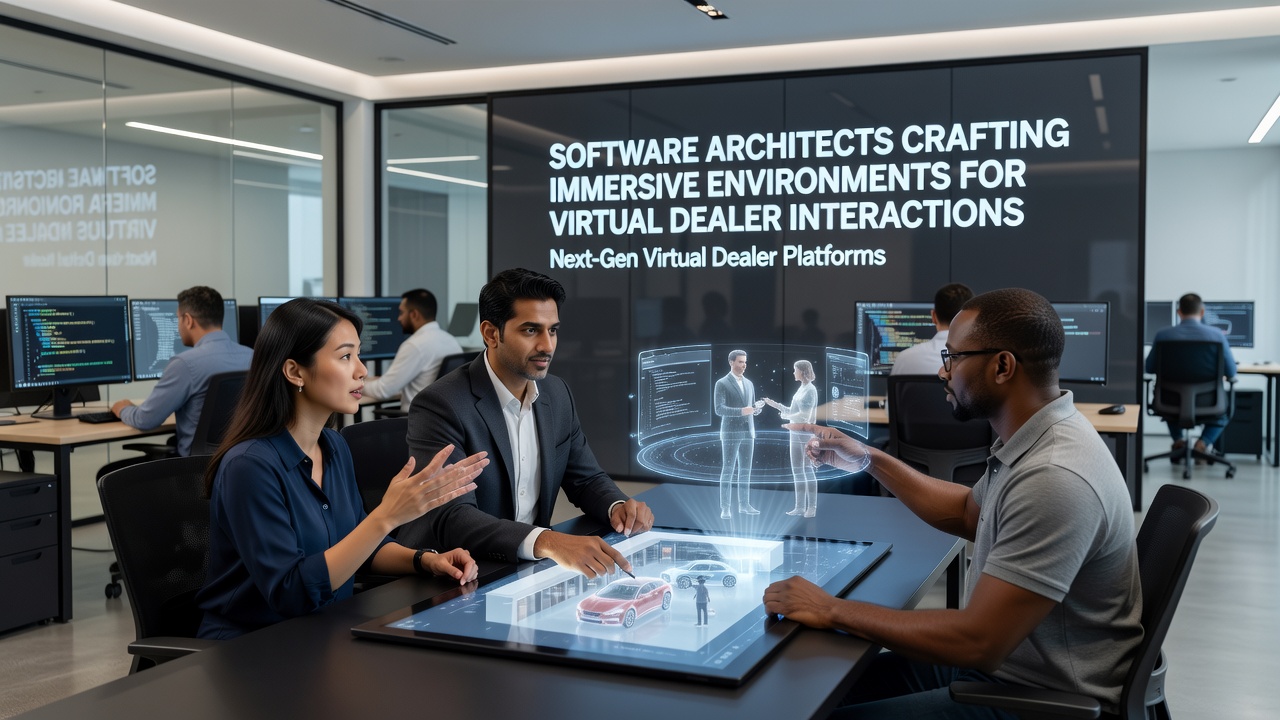
Software architects shape the technical foundations behind virtual dealer interactions in online gaming environments, where live-streamed or fully rendered dealers engage players through synchronized interfaces that replicate physical casino tables. These professionals coordinate layers of rendering engines, networking protocols, and interaction systems to maintain consistent experiences across devices while handling real-time data flows from dealer actions to player inputs.
Core Technical Components in Virtual Dealer Systems
Architects integrate 3D modeling tools with game engines such as Unity and Unreal Engine to generate dealer avatars that respond to game events with precise animations, including card dealing sequences and chip movements that align with underlying probability algorithms. Data indicates that real-time physics simulations must process thousands of micro-interactions per second to prevent visual discrepancies that break immersion, and architects often implement custom middleware to bridge these simulations with backend game servers.
Networking layers receive equal attention because latency under 50 milliseconds remains essential for maintaining the flow of dealer interactions. Architects select protocols like WebRTC combined with custom UDP optimizations to transmit video streams and gesture data simultaneously, while redundant server clusters handle failover during peak loads. Research from the Interactive Games & Entertainment Association shows that platforms adopting multi-region edge computing reduced average interaction delays by measurable margins in 2025 deployments.
Balancing Realism with Scalable Architecture
Creating believable dealer environments requires architects to fuse motion capture data with procedural animation systems so that dealer movements appear natural across varying connection qualities. They design modular pipelines where facial expression generators and body tracking modules operate independently yet synchronize through shared event buses. This separation allows teams to update individual components without redeploying entire environments, a practice that became standard in large-scale projects completed before July 2026.
Security considerations shape many architectural decisions as well. Architects embed encryption at multiple points in the data path, ensuring that player wagers and dealer outcomes travel through isolated channels. Compliance frameworks from regulatory bodies such as the Malta Gaming Authority require auditable logs of every rendered frame and input event, prompting architects to build logging layers that capture state changes without introducing overhead that affects frame rates.
Integration of Emerging Technologies in Mid-2026 Platforms
By July 2026 several operators had incorporated spatial audio and haptic feedback systems into virtual dealer tables, requiring architects to extend existing rendering pipelines with new sensor APIs. These additions allow players using compatible headsets to perceive directional sound from dealer speech and subtle vibration cues during card reveals. Observers note that such features increase hardware demands, so architects employ adaptive quality scaling that downgrades non-critical effects on lower-spec devices while preserving core interaction fidelity.
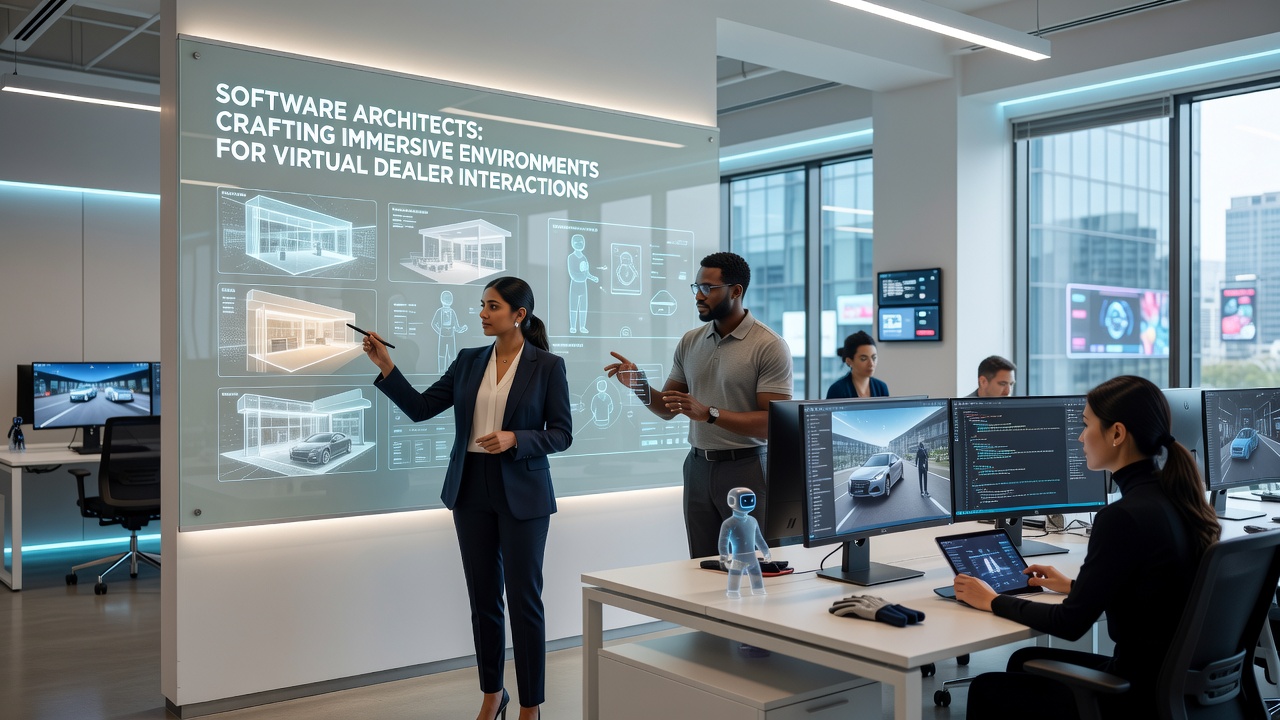
Artificial intelligence components assist in generating dynamic dealer responses that adapt to table dynamics. Architects embed lightweight inference models that analyze betting patterns in real time and adjust dealer dialogue trees accordingly, yet they keep these models decoupled from the primary game logic to simplify certification processes. Reports from the Nevada Gaming Control Board highlight how such modular AI placements streamline regulatory review cycles for new table variants.
Challenges in Cross-Platform Consistency
Architects face persistent difficulties ensuring identical experiences across mobile, desktop, and VR headsets. They establish centralized asset pipelines that automatically convert high-fidelity models into optimized versions for each target platform, applying level-of-detail algorithms that maintain visual coherence. Testing suites run thousands of automated scenarios daily to catch synchronization errors between dealer animations and game state updates before they reach production.
One documented case involved a European operator that migrated its virtual roulette environment to a new rendering cluster in early 2026. The architecture team used containerized microservices to isolate dealer video encoding from interaction logic, resulting in faster rollout of regional customization options without service interruption. Industry analyses from the Gaming Standards Association indicate similar patterns across multiple providers seeking to expand their dealer interaction offerings.
Conclusion
Software architects continue to refine the infrastructure supporting virtual dealer interactions through deliberate choices in rendering, networking, and compliance layers. Their work enables platforms to deliver synchronized, device-agnostic experiences that meet both technical performance targets and regulatory requirements. As hardware capabilities advance, these architectural patterns provide the stable base upon which future enhancements in immersion and interactivity will rest.