Software Foundations Linking Secure Transactions to Tiered Rewards in Portable Slot and Table Environments
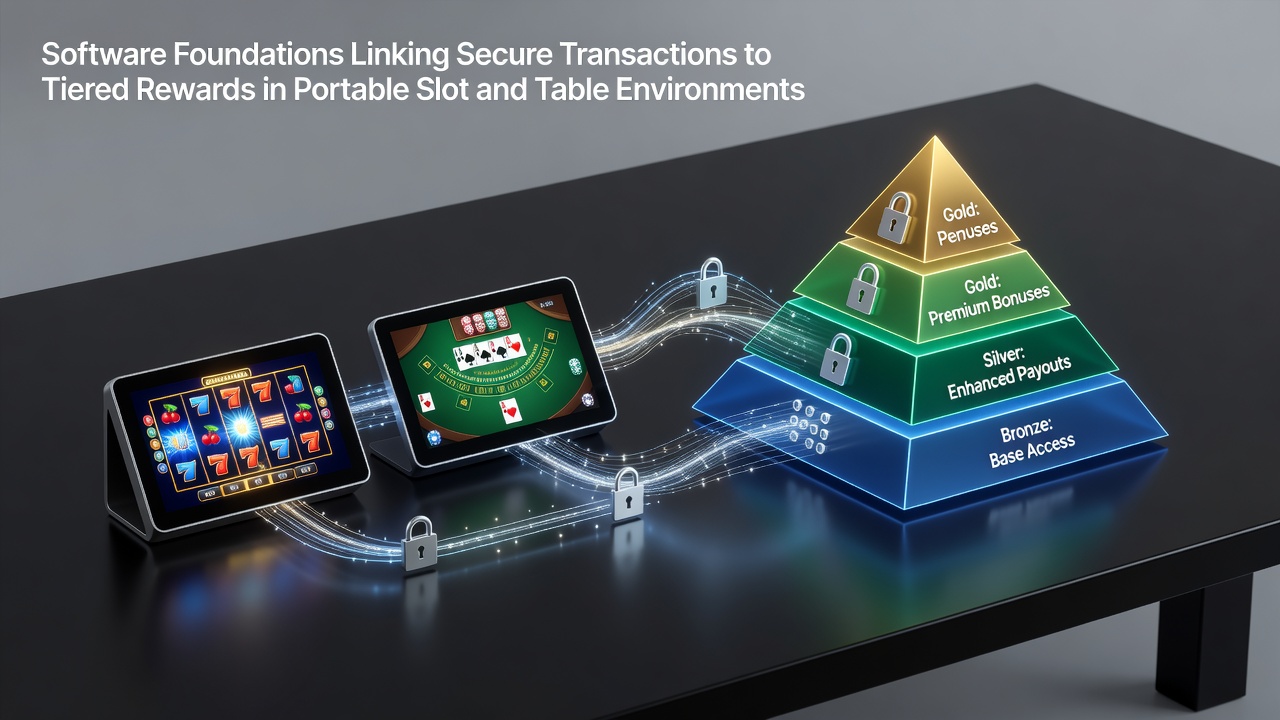
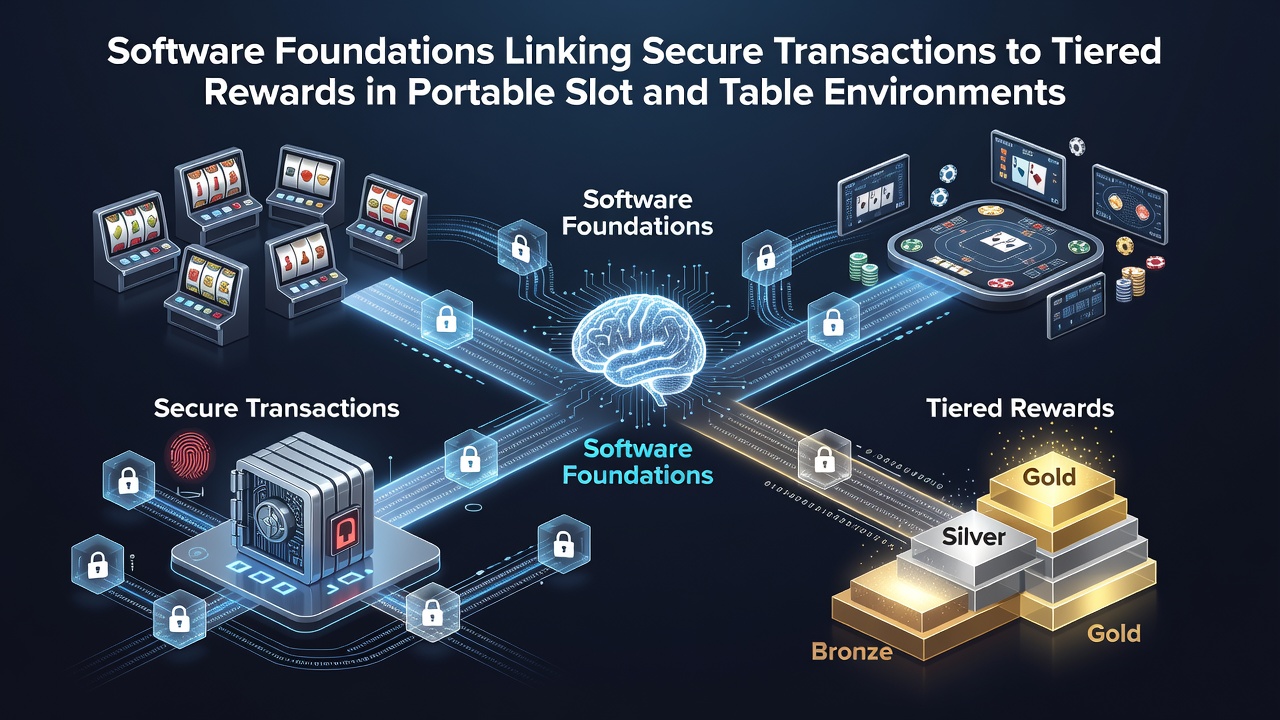
Software architectures in mobile gaming environments integrate encryption protocols with loyalty management systems to handle transactions while assigning rewards based on player activity levels. These foundations support slot machines and table games such as blackjack and roulette on portable devices through standardized application programming interfaces that track verified payments and accumulate points toward tiered benefits.
Transaction Security Mechanisms in Mobile Platforms
Core software components employ tokenization and end-to-end encryption to process deposits and withdrawals in real time across slot and table game applications. Developers implement standards from organizations like the Nevada Gaming Control Board to validate each transaction before it updates central databases that feed into reward calculations. Data from industry reports indicates these measures reduce unauthorized access incidents by routing sensitive information through isolated servers rather than device memory.
Portable environments require additional layers such as biometric authentication and device fingerprinting to confirm user identity during each session. Software engineers configure these elements to operate alongside random number generators certified for fairness so that gameplay outcomes remain independent from financial processing modules. Research from the University of Nevada Reno has documented how modular code structures allow updates to security features without disrupting ongoing reward tracking in live dealer table games.
Integration with Tiered Reward Systems
Loyalty programs in these platforms categorize players into tiers according to metrics including total wager volume, session frequency, and game type participation. The same software foundation that secures transactions logs these activities into unified profiles that automatically adjust tier status and unlock corresponding benefits such as cashback percentages or exclusive event access. Observers note that this linkage ensures rewards reflect verified spending rather than unconfirmed play data.
Developers use event-driven architectures where each completed transaction triggers an immediate update to the rewards ledger. This approach maintains synchronization between financial records and loyalty balances even when users switch between slot titles and table environments on smartphones or tablets. Figures from the Alcohol and Gaming Commission of Ontario reveal that integrated systems have supported consistent tier progression for mobile users since the expansion of regulated online offerings in that jurisdiction.
Portable Environment Considerations
Mobile applications demand lightweight yet robust codebases that function across operating systems while maintaining compliance with regional gaming regulations. Software teams prioritize cross-platform frameworks that embed secure payment gateways directly into the game client so players experience uninterrupted transitions between depositing funds and accumulating tier points. And these frameworks accommodate varying network conditions without compromising encryption standards or reward calculation accuracy.
Table game environments introduce unique requirements because live dealer streams and real-time betting interfaces must align with the same transaction security protocols used in automated slot sessions. Developers address this by creating shared libraries that handle both video feeds and wager processing through a single authenticated channel. Case studies from operators in multiple markets show that such unified foundations support higher player retention when tier benefits activate promptly after each verified transaction.
Regulatory and Technical Standards
Compliance frameworks established by bodies including the Alcohol and Gaming Commission of Ontario require documented audit trails that connect every transaction to its corresponding reward allocation. Software foundations incorporate logging mechanisms that timestamp and encrypt these records for periodic review by authorized examiners. Data shows these practices have become standard in jurisdictions where mobile gaming expanded during the mid-2020s.
Projected updates scheduled for July 2026 in certain regulatory markets emphasize enhanced interoperability between payment processors and loyalty engines to support emerging digital wallet integrations. Engineers preparing for these changes focus on scalable database schemas that accommodate increased transaction volumes without latency in tier status updates. Industry organizations such as the European Gaming and Betting Association have published guidelines that encourage adoption of these modular designs across portable platforms.
Conclusion
Software foundations that connect secure transaction processing with tiered reward structures enable consistent functionality in portable slot and table environments. These systems rely on established encryption methods, certified random number generators, and synchronized data pipelines to maintain both regulatory compliance and player engagement metrics. Continued refinement of these architectures supports the operational requirements of mobile gaming across regulated markets.