Software Integration Strategies for Cross-Device VIP Rewards in Slot Platforms
Yara Friedrich · Aug 20, 2026
Software Integration Strategies for Cross-Device VIP Rewards in Slot Platforms
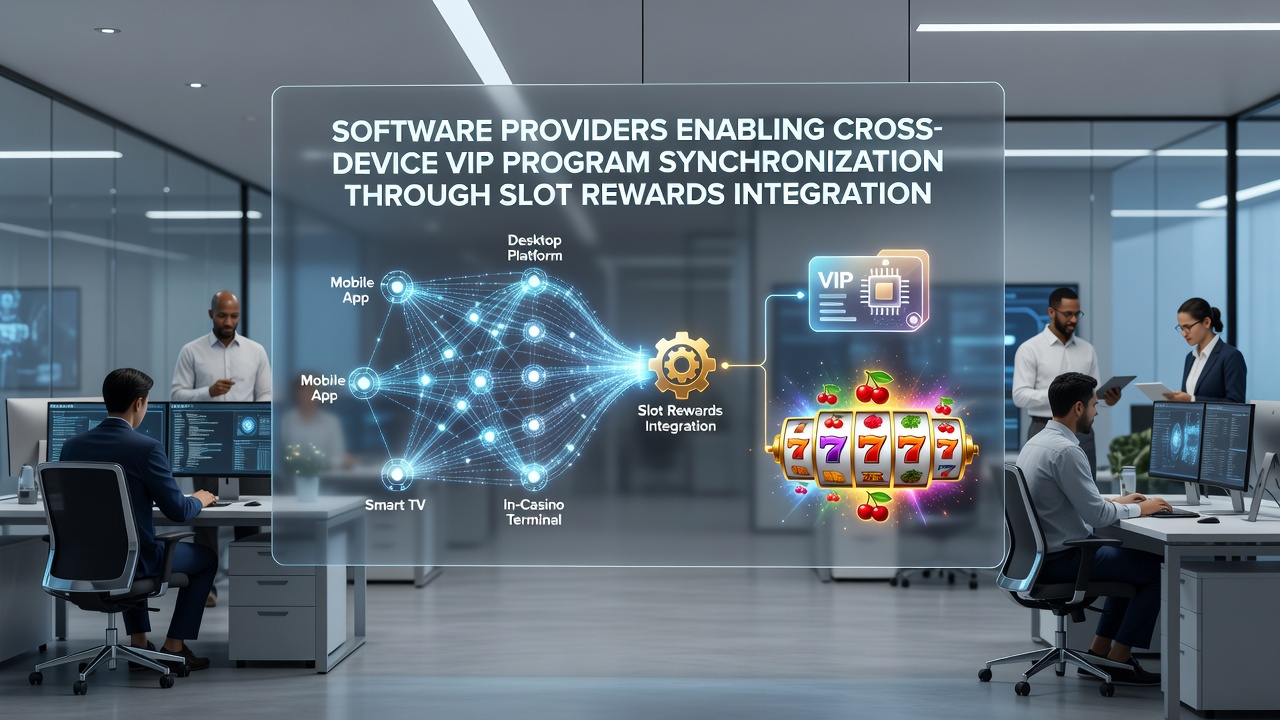
Software providers have developed systems that allow VIP programs to synchronize across multiple devices by integrating slot rewards directly into centralized player profiles, and these solutions rely on real-time data exchange protocols that update loyalty points, tier levels, and reward eligibility without requiring manual intervention from operators or players. In August 2026 several major providers released updated APIs that support seamless handoffs between mobile, desktop, and tablet interfaces while maintaining consistent reward tracking.
Core Mechanisms Behind Device Synchronization
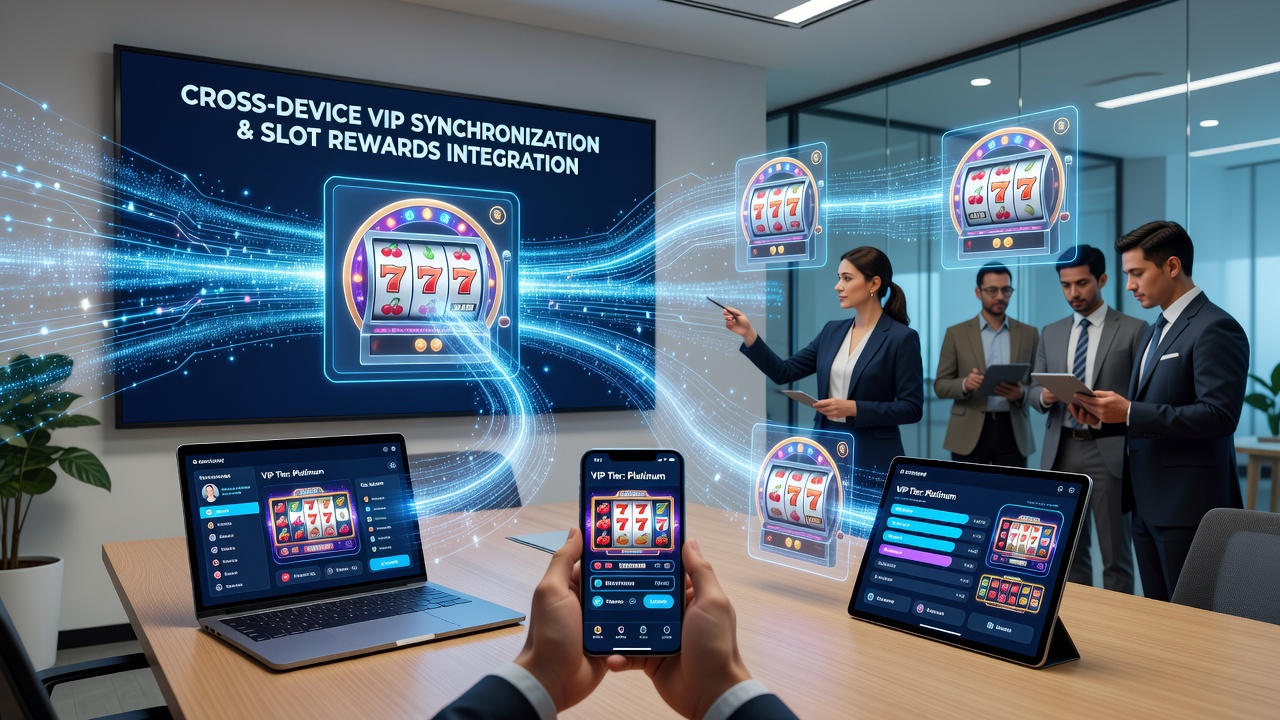
Developers implement cloud-based databases that store player activity logs in unified formats, which means a spin on a desktop slot machine immediately reflects in a mobile app session because the backend processes each reward event through encrypted channels that prioritize low latency. Researchers have documented how these systems use token-based authentication to verify user identity across platforms, thereby reducing discrepancies that previously arose when separate device sessions operated in isolation. Data from industry reports shows that integration of slot rewards into these frameworks increases retention metrics by allowing players to accumulate progress toward VIP milestones regardless of the device in use.
Technical Standards and Compliance Requirements
Providers align their architectures with international gaming standards that mandate secure data handling and audit trails, and this alignment ensures that cross-device synchronization complies with regulations enforced by bodies such as the Malta Gaming Authority and the Alcohol and Gaming Commission of Ontario. One study conducted by academic researchers at a European university examined synchronization accuracy rates and found that properly configured systems maintain 99.8 percent consistency across device switches when slot reward events trigger automatic profile updates. Software engineers incorporate redundant verification steps that prevent reward duplication while enabling instant recognition of completed challenges or bonus triggers.
Observers note that the shift toward unified VIP structures gained momentum after regulatory updates in multiple jurisdictions emphasized player protection through transparent tracking, and software solutions responded by embedding compliance checks directly into the reward synchronization layer. Slot rewards serve as the primary trigger for these updates because they generate frequent, granular data points that keep player profiles current without relying on less frequent table game or sports betting activity.
Implementation Examples Across Provider Ecosystems
Take the case where a leading platform integrated its slot reward engine with a cross-device loyalty module, and this combination allowed VIP tier progression to advance based on cumulative coin-in values recorded from any authorized device. Industry organizations such as the European Gaming and Betting Association have published guidelines that encourage adoption of these integrated systems because they support responsible gaming features like session limits that travel with the player profile. Figures released in mid-2026 indicate that operators deploying such solutions observed measurable improvements in player engagement continuity during device transitions.
Another approach involves modular microservices that handle reward calculation separately from profile synchronization, which permits independent scaling when slot game volumes increase during peak hours. Those who have examined these architectures report that the separation reduces processing bottlenecks and maintains synchronization speed even as concurrent users multiply. Providers continue to refine encryption methods to protect the personal and financial data exchanged during these cross-device reward updates.
Future Developments and Industry Trends
Analysts project continued expansion of these capabilities into virtual reality and emerging device categories, while existing frameworks receive incremental updates to accommodate new slot mechanics and reward structures. Research indicates that integration depth directly correlates with the complexity of the loyalty mechanics supported, and providers that invest in flexible data models position themselves to handle future regulatory or market-driven changes more efficiently. In August 2026 announcements highlighted partnerships between software firms and hardware manufacturers aimed at embedding synchronization protocols at the device level rather than relying solely on cloud intermediaries.
Operational Benefits for Platform Operators
Operators gain streamlined reporting because all slot reward activity funnels into a single dashboard regardless of access point, and this consolidation simplifies auditing processes required by oversight agencies. Evidence suggests that reduced administrative overhead translates into faster deployment of new VIP tiers or promotional campaigns that depend on synchronized progress tracking. Software providers supply documentation and testing suites that help operators validate synchronization accuracy before full rollout.
Conclusion
Software providers continue to advance cross-device VIP synchronization through targeted slot rewards integration, and these efforts rest on established technical standards, regulatory compliance, and measurable operational outcomes. Data shows consistent performance improvements when systems process rewards in real time across platforms, and industry reports confirm growing adoption rates among operators seeking unified player experiences. The frameworks established by August 2026 provide a foundation for further refinement as new devices and game formats enter the market.