Technical Frameworks Powering Live Dealer Synchronization and Efficient Transaction Processing
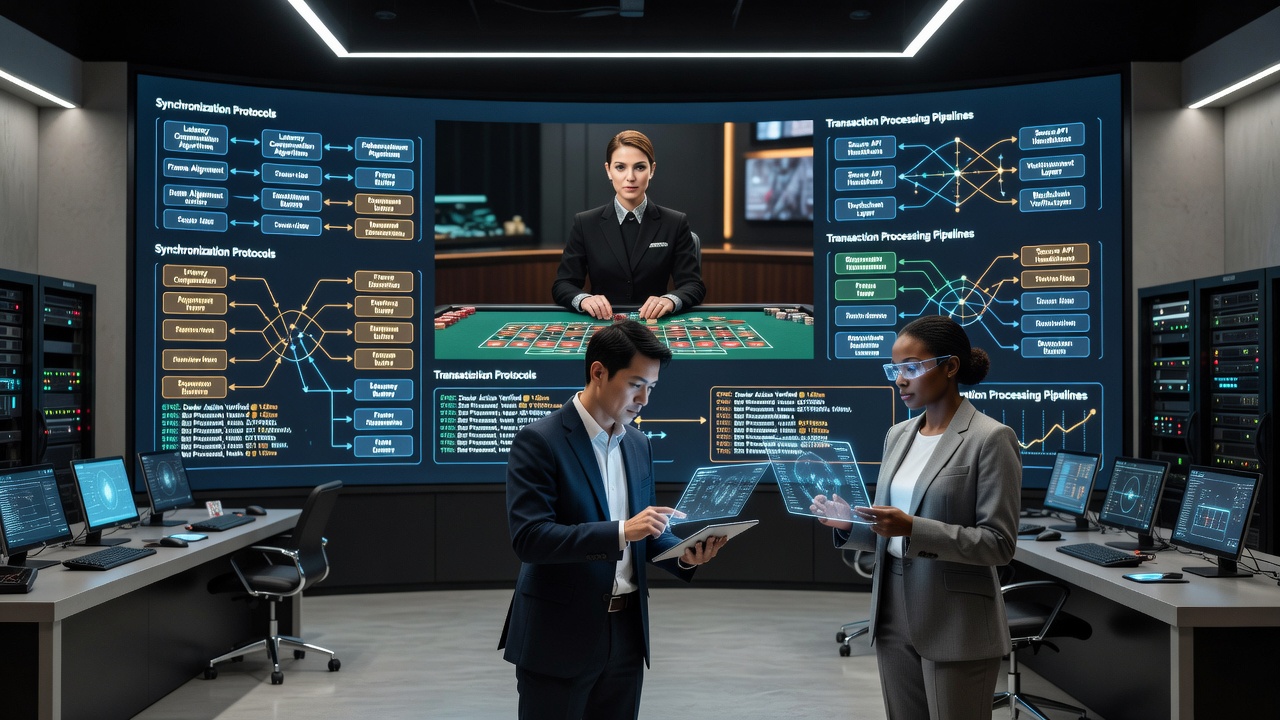
Live dealer platforms rely on intricate technical frameworks to maintain synchronization across video streams, player inputs, and backend systems while handling transactions with precision and security, and these frameworks combine multiple layers of software and hardware that work in tandem to deliver consistent experiences.
Core synchronization begins with real-time communication protocols such as WebRTC which enable low-latency video and audio transmission between studios and remote players, and developers integrate timestamp synchronization mechanisms that align dealer actions with player decisions across distributed networks to prevent discrepancies that could arise from network jitter or variable latency.
Key Components of Synchronization Architecture
Research indicates that effective live dealer synchronization depends on a combination of edge computing nodes positioned near player locations alongside centralized game servers, and these nodes process incoming video feeds while applying buffering algorithms that compensate for packet loss without introducing noticeable delays. Observers note that game control units in physical studios transmit outcome data through dedicated APIs that interface directly with the synchronization layer, ensuring that card shuffles, wheel spins, and other events register identically on every connected client.
Those who have examined these systems find that multi-threaded processing allows parallel handling of video encoding, state updates, and player interaction logs, while whereas traditional setups might bottleneck at the server level, modern frameworks distribute workloads across cloud instances that scale dynamically based on concurrent session volume. Data shows that round-trip times under 150 milliseconds remain standard in well-architected environments, and any deviation triggers automatic rerouting through alternate pathways to preserve continuity.
Transaction Processing Mechanisms
Transaction frameworks operate on separate but interconnected rails that manage deposits, withdrawals, and in-game wagers through encrypted channels compliant with regional standards, and payment gateways interface with banking networks or digital wallet providers using tokenization to shield sensitive card details from exposure during transfers. Experts have observed that real-time balance updates occur via event-driven architectures where each wager triggers an atomic database operation that either commits fully or rolls back in case of interruption, preventing partial transactions that could compromise player funds or operator integrity.
Figures reveal that integration with blockchain-based ledgers appears in select jurisdictions for audit trails, although conventional relational databases still dominate for speed-critical operations, and hybrid models combine both approaches to balance transparency with performance. What's interesting is how fraud detection modules scan transaction patterns in milliseconds using machine learning models trained on historical data sets, flagging anomalies before funds move while legitimate plays proceed uninterrupted.
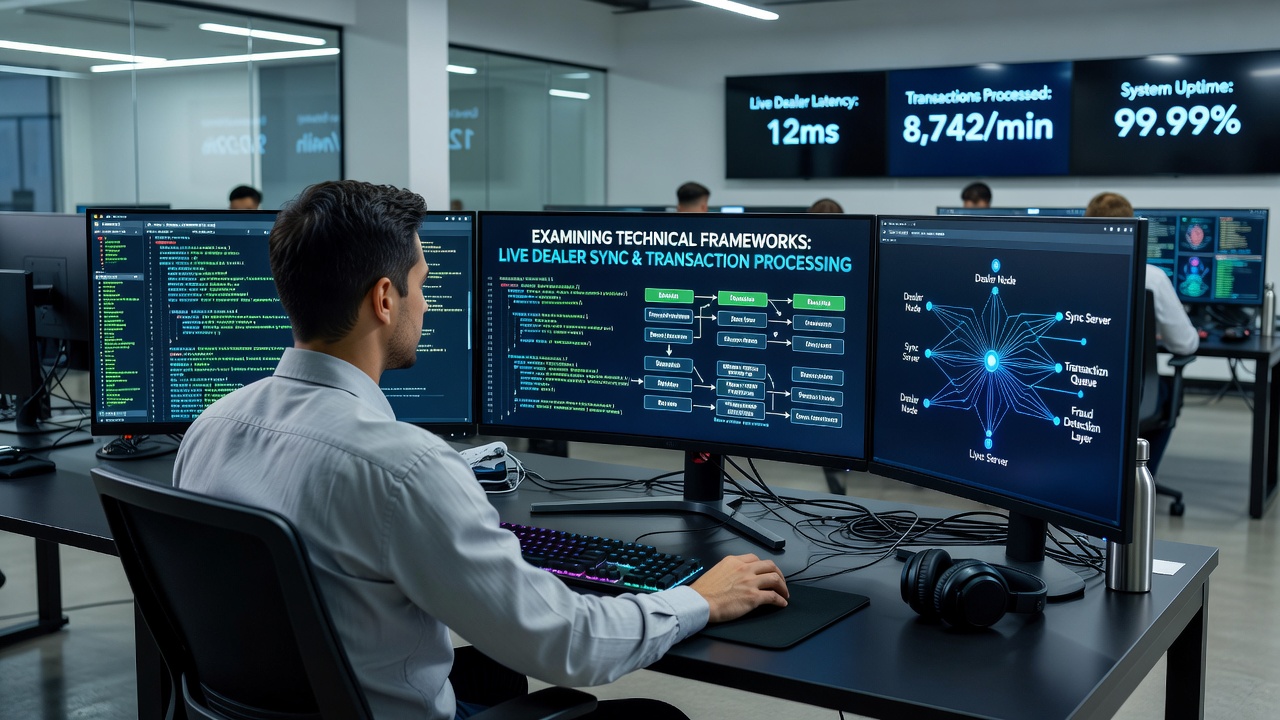
According to reports from the American Gaming Association, standardized APIs facilitate seamless communication between front-end interfaces and back-office accounting systems, and these interfaces support multiple currencies and payment methods without requiring separate codebases for each region. Developers often employ message queuing services such as Apache Kafka to handle high volumes of simultaneous bets and payouts, ensuring that no single transaction overwhelms the processing queue during peak periods.
Security and Compliance Layers
Security protocols wrap both synchronization and transaction pathways with end-to-end encryption alongside regular penetration testing cycles, and regulatory bodies in various jurisdictions mandate independent audits that verify these measures meet established benchmarks for data protection. Those who've studied deployment patterns note that session tokens rotate frequently to limit exposure windows, while intrusion detection systems monitor for unusual access attempts that could indicate attempts to manipulate game states or intercept financial data.
But here's the thing: even robust frameworks require ongoing maintenance because emerging threats evolve alongside technological advances, and operators schedule incremental updates that address vulnerabilities without disrupting live sessions. One study revealed that failover clusters activate within seconds of detecting hardware faults, rerouting traffic to redundant servers so players experience no interruption in either video feed or account activity.
Performance Optimization Strategies
Performance tuning involves continuous monitoring of metrics such as frame rate consistency, transaction confirmation speed, and error rates, and teams deploy automated scaling policies that allocate additional resources when session counts exceed predefined thresholds. Researchers discovered that predictive load balancing anticipates traffic spikes based on time-of-day patterns and promotional events, allowing preemptive resource provisioning that keeps response times stable across global player bases.
What's significant is the role of content delivery networks in distributing video assets closer to end users, reducing the physical distance data must travel and thereby improving synchronization accuracy, and this approach pairs naturally with adaptive bitrate streaming that adjusts quality based on available bandwidth to maintain playability even on variable connections.
Conclusion
Technical frameworks behind live dealer synchronization and transaction processing continue to evolve through iterative improvements in protocol efficiency, distributed computing, and security integration, and industry participants track these developments to maintain reliable platforms that meet both operational demands and regulatory expectations across different markets.