The Mechanics of Live Dealer Systems Within Reward Tiers and Protected Transaction Pathways on Handheld Devices
Yara Friedrich · Aug 8, 2026
The Mechanics of Live Dealer Systems Within Reward Tiers and Protected Transaction Pathways on Handheld Devices
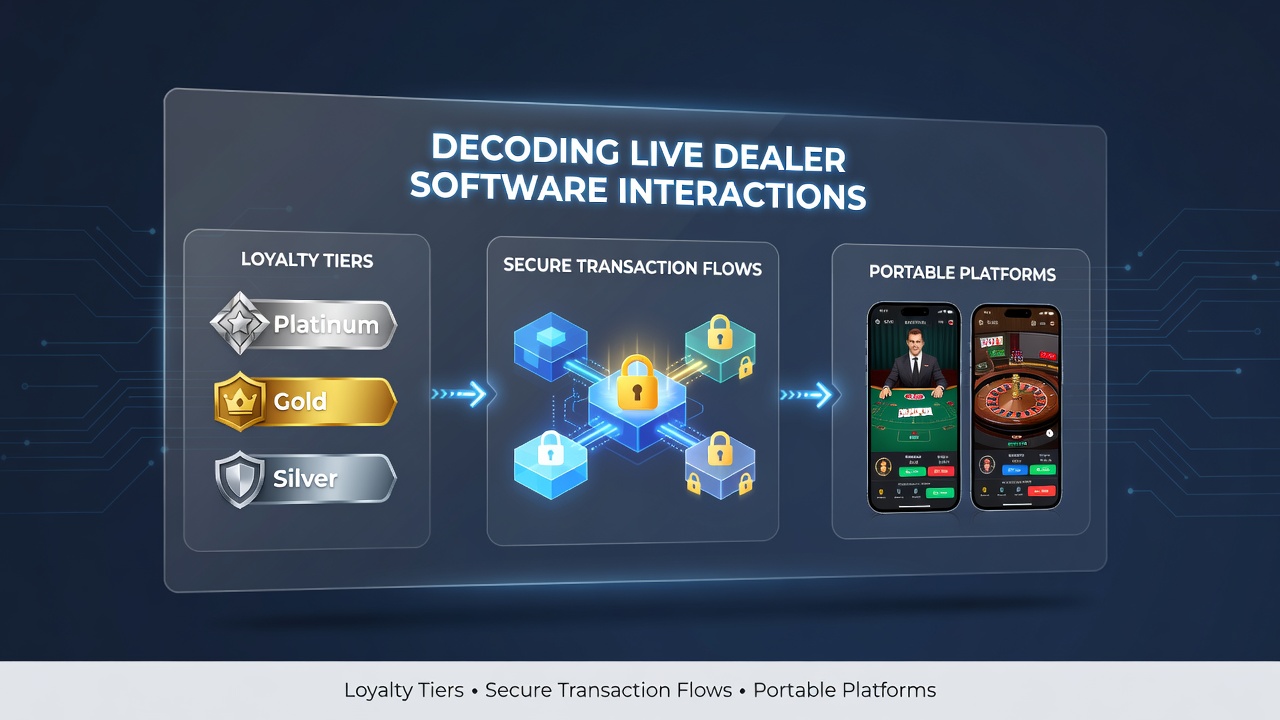
Live dealer software operates through integrated platforms that connect players on portable devices to real-time gaming environments, and these systems incorporate loyalty tier mechanisms alongside encrypted transaction sequences. Developers design the core architecture around APIs that synchronize video streams, player inputs, and backend databases, while loyalty programs track activity levels to assign tier benefits such as increased betting limits or priority access to tables. Secure transaction flows rely on tokenization and multi-factor authentication to process deposits and withdrawals without exposing sensitive data during mobile sessions.
Core Components of Live Dealer Software on Portable Platforms
Software providers build live dealer environments using WebRTC protocols for low-latency video delivery and HTML5 frameworks for cross-device compatibility. On handheld devices, these applications adjust resolution dynamically based on network conditions, and they maintain session continuity through cloud-based servers that handle thousands of concurrent connections. Data from industry reports indicates that by August 2026, portable platform usage accounts for over 70 percent of live dealer activity in regulated markets, with operators optimizing code for both iOS and Android operating systems to reduce latency below 200 milliseconds.
Interaction layers within the software manage player gestures, chat functions, and game state updates simultaneously. Engineers implement WebSocket connections to push real-time updates from the dealer studio to mobile clients, and this setup allows loyalty tier data to refresh without interrupting gameplay. Observers note that such integrations prevent tier status from affecting transaction security, as separate modules handle authentication and payment processing.
Loyalty Tier Integration with Software Interactions
Loyalty programs function through point accumulation algorithms that monitor wager volume and session duration across live dealer tables. When a player reaches a new tier, the software updates the user profile via secure API calls, unlocking features like customized table interfaces or exclusive game variants. Researchers at various academic institutions have documented how these systems segment users into bronze, silver, gold, and platinum categories, each with distinct multipliers applied to rewards without altering the underlying encryption standards for financial operations.
Portable platforms present unique challenges for tier tracking because session lengths vary with mobile data usage and battery constraints. Software solutions incorporate background synchronization to update loyalty balances even when the application runs minimized, and this approach maintains accuracy across fluctuating connection qualities. Experts from gaming associations highlight that such designs ensure tier benefits activate immediately upon qualification, independent of the device used for access.
Secure Transaction Flows and Encryption Standards
Transaction pathways in live dealer environments employ end-to-end encryption protocols that comply with standards set by regulatory bodies including the Malta Gaming Authority and the Nevada Gaming Control Board. Funds move through tokenized gateways where card details never reach the gaming server, and portable applications add device-specific biometrics such as fingerprint or facial recognition to authorize each step. Studies from research institutions show that these layered protections reduce unauthorized access incidents by significant margins in mobile environments compared to earlier desktop-focused systems.
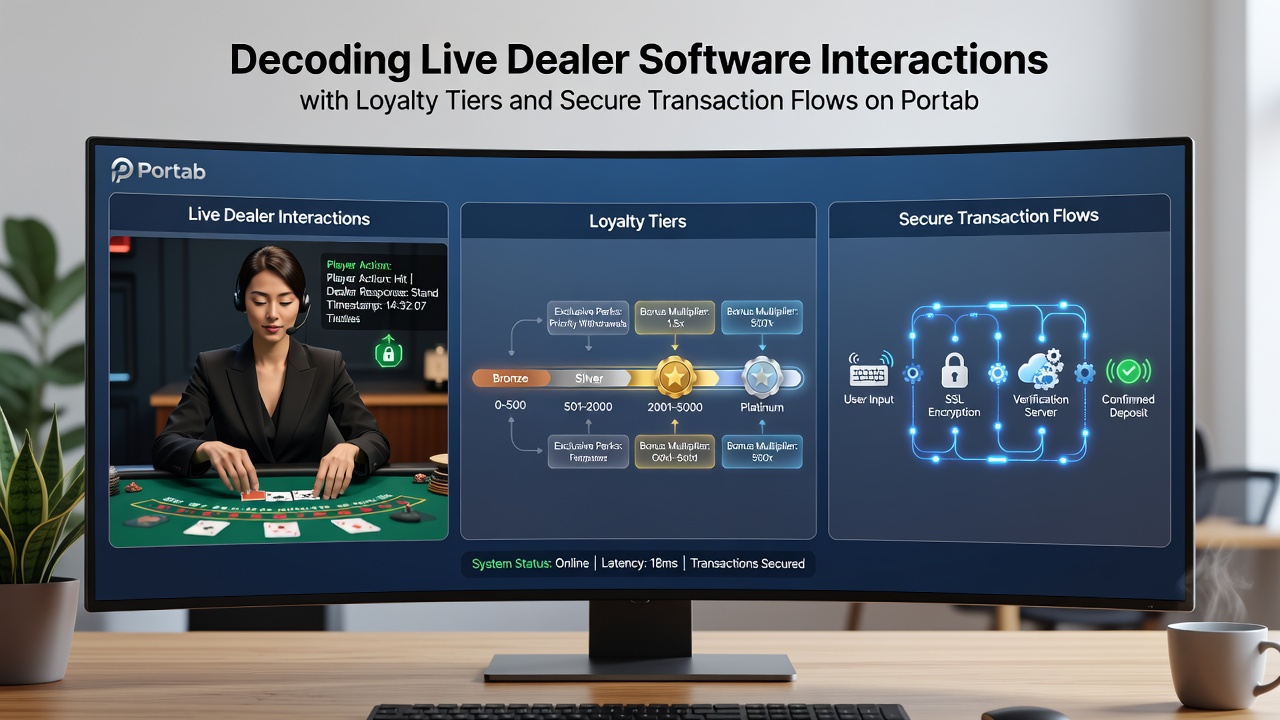
Payment flows integrate directly with loyalty data through isolated modules that verify tier status before applying any promotional adjustments to transaction limits. This separation prevents loyalty calculations from interfering with cryptographic processes, and it allows operators to audit each component independently. As portable usage grows, developers continue refining these pathways to handle higher volumes while preserving compliance with international data protection requirements.
Challenges and Adaptations on Handheld Devices
Network variability on portable platforms demands adaptive bitrate streaming within live dealer software to sustain uninterrupted sessions. When connectivity drops, the system queues loyalty updates and transaction confirmations for later synchronization, ensuring no data loss occurs. Those who analyze these platforms report that battery optimization features further influence how frequently background loyalty checks run, balancing responsiveness with device resource management.
Security protocols adapt to mobile-specific threats such as malware or phishing attempts by incorporating real-time threat detection within the application layer. Regulatory frameworks from different regions guide these adaptations, requiring regular penetration testing and vulnerability assessments before updates reach end users. The result keeps transaction flows stable even as loyalty tier interactions increase in complexity with player progression.
Conclusion
Live dealer software continues to evolve through precise coordination of loyalty tier mechanics and secure transaction pathways optimized for portable devices. These systems deliver consistent performance by isolating functional modules while meeting regulatory expectations across multiple jurisdictions. Data indicates sustained growth in mobile adoption through 2026, driven by technical refinements that support both player engagement features and financial protection standards.