When Gaming Algorithms Meet Portable Screens: Insights into Live Action, Funding Channels, and Loyalty Tiers
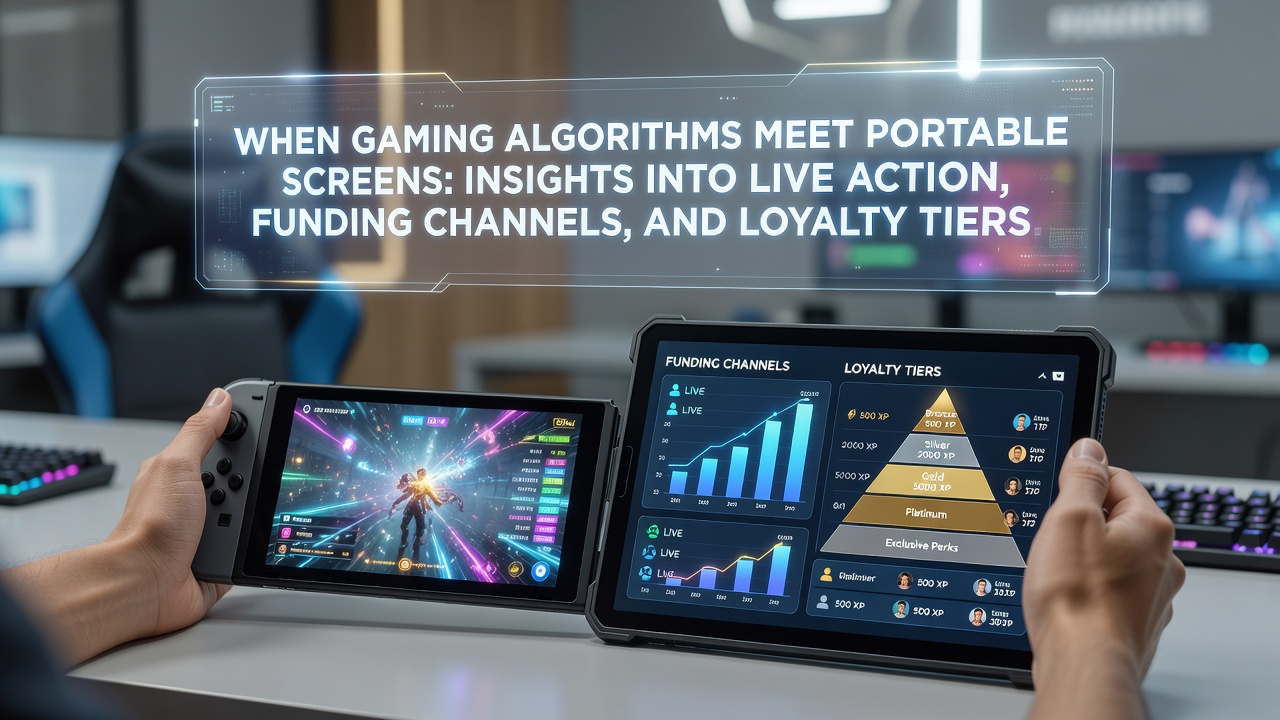
Portable screens have transformed how gaming algorithms operate in real time and this shift shows up clearly in live action environments where players interact directly with streamed tables and automated systems adjust instantly to device capabilities and connection speeds. Researchers note that algorithms now prioritize low-latency rendering for phones and tablets so that card shuffles, wheel spins and dealer movements stay synchronized across thousands of simultaneous sessions without visible lag.
Live action platforms rely on hybrid models that combine random number generators with video feeds and these systems must verify fairness while handling variable bandwidth from mobile networks. Data from regulatory reports indicates mobile sessions accounted for over sixty percent of total live dealer activity by early 2026 and platforms continue to refine their code to accommodate smaller touch interfaces and portrait orientations that dominate usage patterns.
Algorithmic Adaptations for Portable Live Play
Algorithms detect screen size, orientation and processor load within milliseconds then scale graphics and animation complexity accordingly which allows consistent gameplay whether a user holds a flagship device or an older tablet. Experts at industry conferences in June 2026 highlighted how machine learning models predict connection drops and trigger automatic hand pauses or bet protections so players avoid losses from interruptions common on public Wi-Fi or during travel.
Those who study mobile optimization explain that edge computing nodes positioned near regional data centers reduce the round-trip time for live video packets and this infrastructure supports higher frame rates on phones without draining batteries faster than standard applications. Observers note that portable screens also introduce unique security layers where algorithms cross-check device IDs against player accounts to flag unusual login patterns that could indicate shared hardware or VPN masking.
Funding Channels and Real-Time Processing
Payment processing on mobile platforms integrates directly with the same algorithmic frameworks that manage live tables and loyalty tracking so deposits and withdrawals occur without leaving the game window. Systems route transactions through multiple gateways that include bank transfers, digital wallets and regulated cryptocurrencies while algorithms evaluate risk scores based on transaction velocity, device history and geographic signals before approving funds.
Figures released by the New Jersey Division of Gaming Enforcement show mobile funding volumes grew steadily through the first half of 2026 with instant deposit success rates exceeding ninety-four percent on optimized applications. What's interesting is how loyalty algorithms monitor funding frequency alongside play volume to adjust tier progression automatically rather than requiring manual requests from players.
Loyalty Tier Mechanics in Mobile Ecosystems
Loyalty programs assign points through algorithms that weigh not only wager amounts but also session duration, game variety and mobile-specific behaviors such as consistent daily logins from the same device. Higher tiers unlock benefits including faster withdrawal approvals, personalized live game invitations and bonus multipliers that algorithms calculate based on predicted lifetime value derived from historical data.
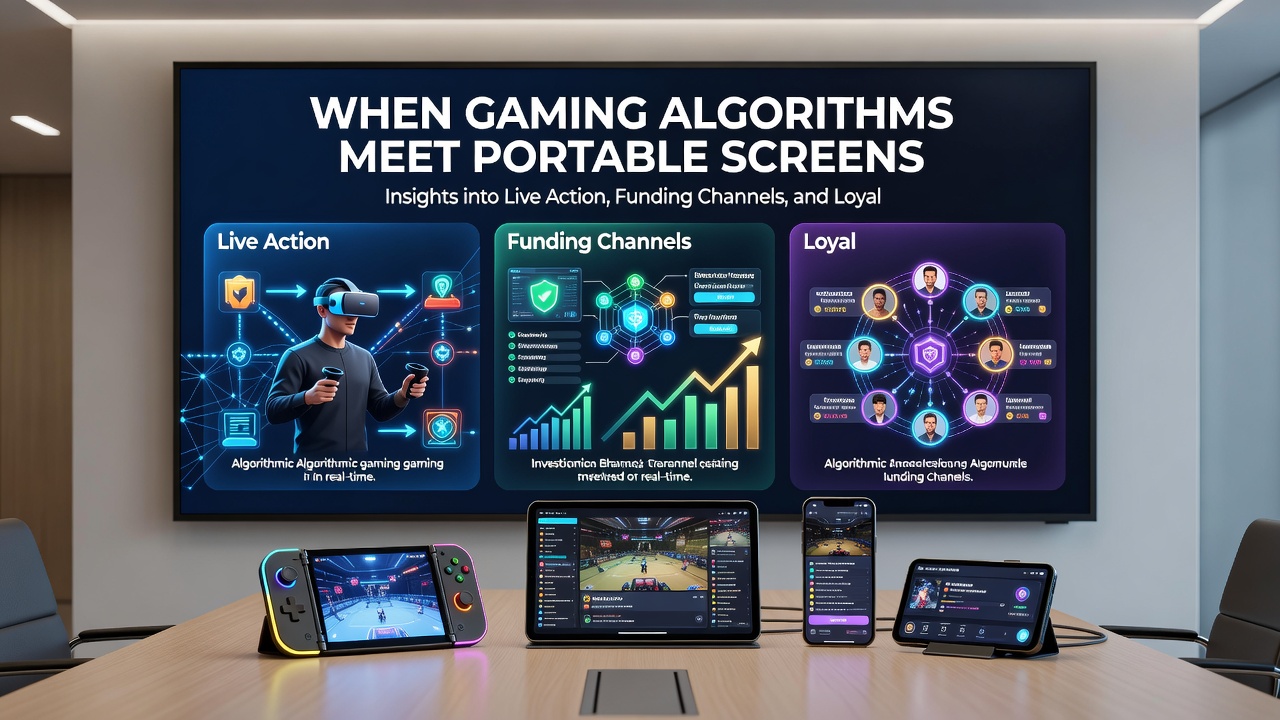
Studies conducted by academic teams at the University of Las Vegas show that players who reach mid-level tiers on mobile platforms tend to maintain longer average session times compared with desktop users, prompting operators to refine their algorithms further for portable engagement metrics. These systems also segment rewards by region so that currency conversions and local payment preferences integrate smoothly into the tier structure without manual intervention.
Regulatory frameworks in multiple jurisdictions require transparent disclosure of how algorithmic decisions affect tier status and operators publish summaries that detail point accrual rates along with the criteria for advancement and demotion. People familiar with compliance processes note that audits in June 2026 focused heavily on mobile-specific fairness testing to confirm that smaller screens did not inadvertently limit access to certain live tables or loyalty features.
Integration Challenges and Technical Responses
Combining live action streams, real-time funding and dynamic loyalty calculations on portable devices creates computational demands that operators address through modular code architecture and cloud-based scaling. Algorithms must balance resource allocation so that video compression does not interfere with payment encryption or point-tracking functions running in parallel.
Industry organizations such as the European Gaming and Betting Association have documented how cross-platform testing protocols verify that tier benefits remain identical whether accessed via phone, tablet or desktop and this consistency prevents disputes over perceived advantages tied to device choice. Data indicates that platforms investing in unified algorithmic backends reduced support tickets related to mobile loyalty discrepancies by nearly forty percent during the first quarter of 2026.
Conclusion
The convergence of gaming algorithms with portable screens continues to reshape live action delivery, funding efficiency and loyalty structures through incremental technical refinements rather than wholesale replacements of existing systems. Regulatory updates scheduled for later in 2026 are expected to emphasize even stricter mobile verification standards while operators refine their models to maintain performance across an expanding range of device types and network conditions.